Northeast Office


Why Early Orthodontic Care Matters for Growing Smiles

Published On - May 13, 2026
A child’s smile changes quickly during the growing years. Baby teeth fall out, adult teeth move into place, and the jaw continues to develop with every stage of growth. While many parents assume orthodontic treatment should wait until the teenage years, early evaluations can actually make a big difference long before all adult teeth arrive.
Small alignment concerns often turn into bigger problems if they are ignored. Crowded teeth, bite issues, mouth breathing, and jaw misalignment can affect speech, eating habits, confidence, and even oral health over time. Visiting an orthodontist bakersfield families trust can help identify these concerns early and guide proper dental development before treatment becomes more complicated later on.
In a growing community like Bakersfield, many parents are becoming more proactive about preventive dental care. With children involved in school activities, sports, and social events year-round, a healthy and confident smile can support both comfort and self-esteem during important developmental years.
Understanding Early Orthodontic Care
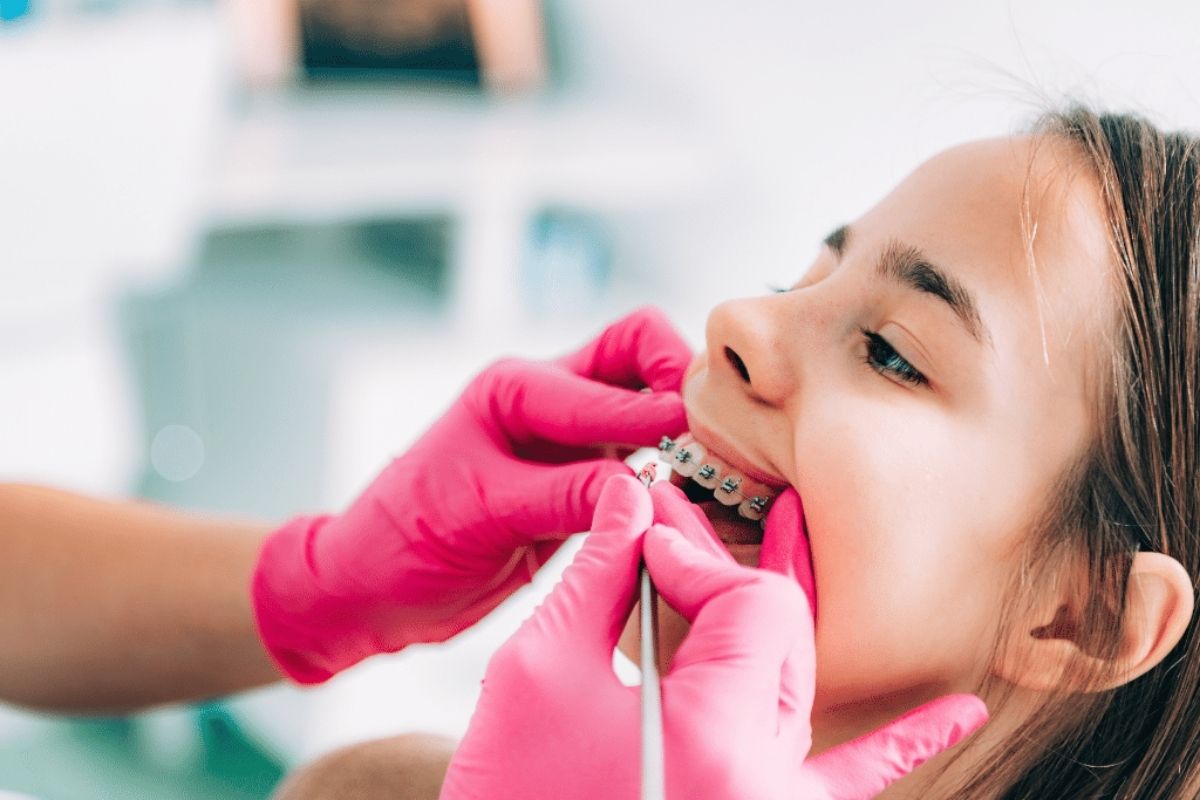
Early orthodontic care, also known as interceptive orthodontics, focuses on monitoring and guiding the growth of a child’s teeth and jaw. This does not always mean braces right away. In many cases, it simply involves identifying concerns early enough to prevent more serious issues later.
Orthodontists often recommend children have their first evaluation around the time adult teeth begin coming in. At this stage, jaw growth patterns and tooth positioning become easier to assess.
Some children may never need early treatment, while others benefit from addressing problems before the jaw fully develops.
Signs Your Child May Need an Orthodontic Evaluation
Many orthodontic issues are easier to correct while the mouth is still growing. Parents should pay attention to signs that could indicate developing bite or alignment problems.
Common warning signs include:
- Teeth that appear crowded or overlap
- Early or delayed loss of baby teeth
- Difficulty chewing or biting food
- Mouth breathing during sleep
- Thumb-sucking habits that continue for years
- Jaw clicking or shifting
- Teeth that do not meet properly when biting down
- Speech difficulties related to tooth placement
Even if these issues seem minor, an evaluation can help determine whether treatment is necessary.
Why Timing Matters for Growing Smiles
Children’s bones are still developing, which gives orthodontists more flexibility to guide jaw growth and tooth movement naturally. Once growth slows in adulthood, correcting certain issues may require more extensive treatment.
Early care can help:
Reduce Severe Crowding
When there is not enough room for adult teeth, they may grow in crooked or impacted. Early intervention may create additional space and reduce the chance of future tooth extractions.
Improve Bite Alignment
Crossbites, overbites, and underbites can place stress on teeth and jaw joints. Addressing these issues during growth may improve chewing function and jaw balance.
Prevent Dental Damage
Teeth that stick out are more vulnerable to injury during sports and outdoor activities. Proper alignment may help protect the teeth from fractures or wear.
Support Better Oral Hygiene
Crowded teeth are harder to clean effectively. Straightening teeth early can make brushing and flossing easier, lowering the risk of cavities and gum problems.
Build Confidence Early
Children become more socially aware as they grow. Feeling self-conscious about their smile may affect confidence in school, sports, and social settings. Early improvements often encourage a more positive self-image.
Common Early Orthodontic Treatments
Every child’s needs are different. Some children only need monitoring, while others may benefit from early appliances or limited treatment.
Treatments may include:
- Space maintainers
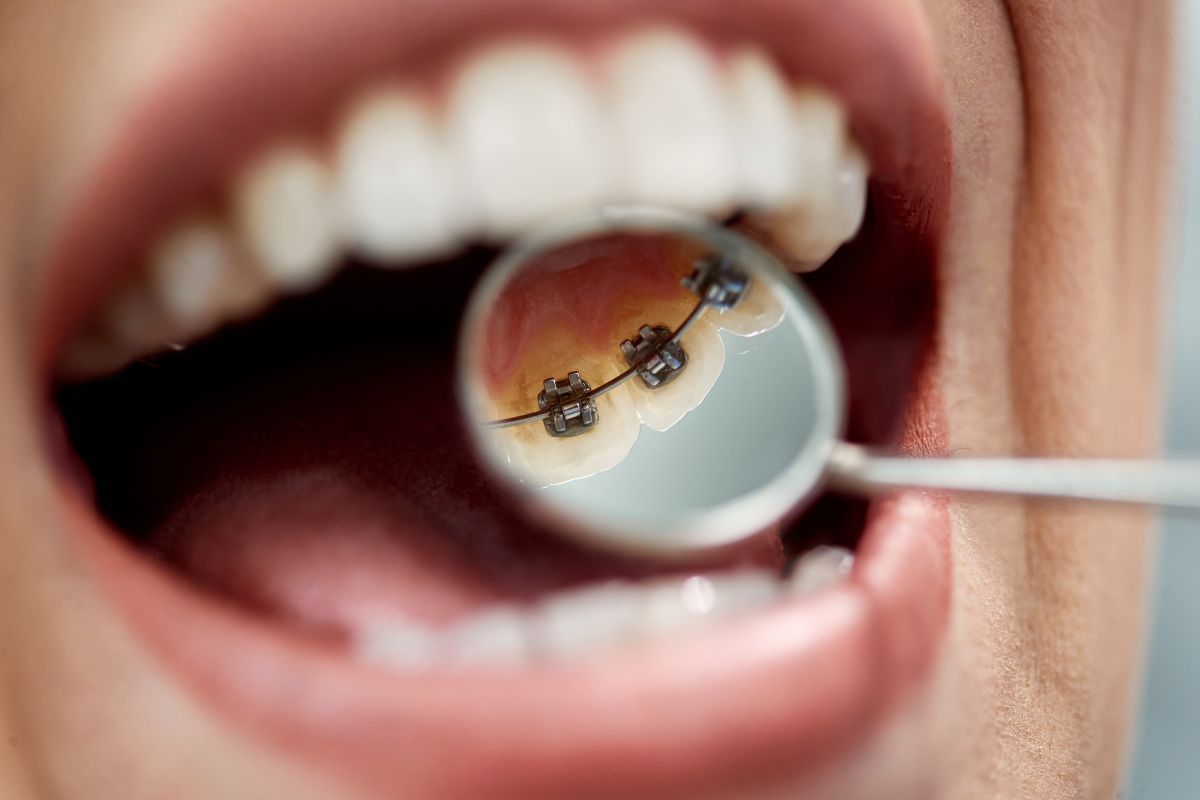
- Palatal expanders
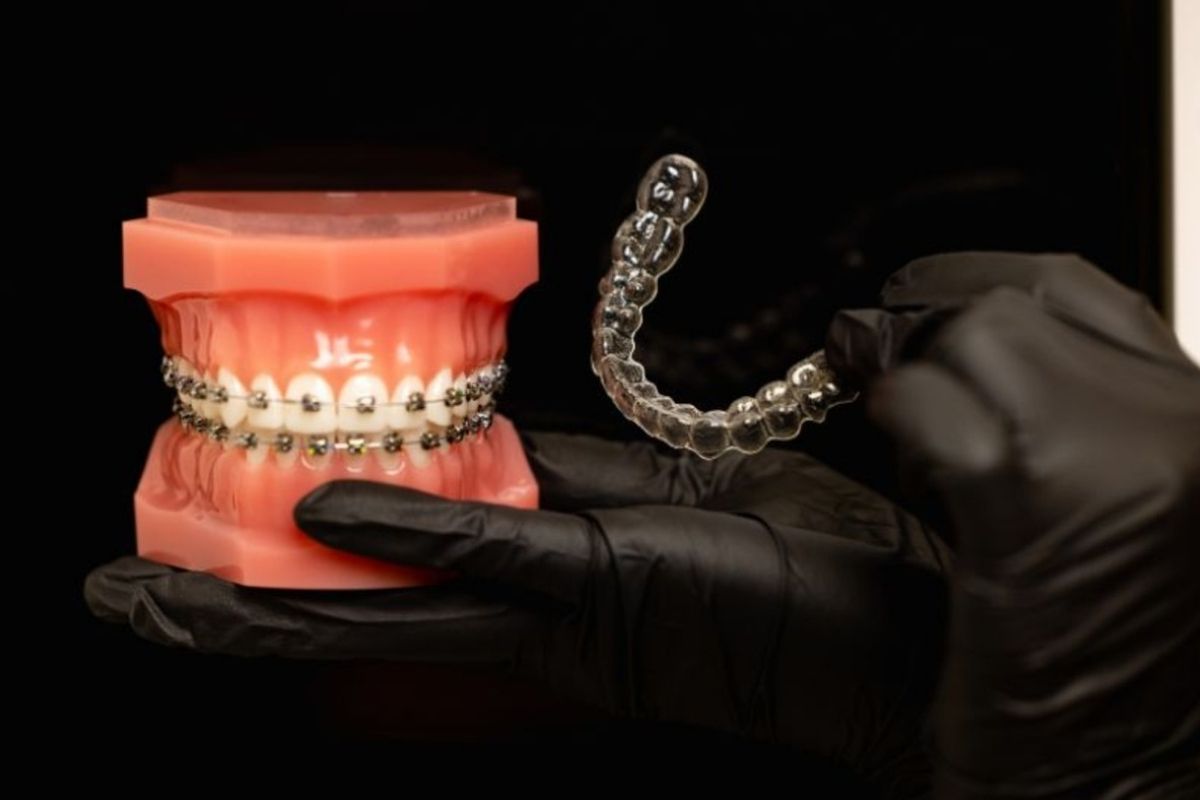
- Partial braces
- Habit-correcting appliances
- Growth guidance treatment
- Monitoring erupting adult teeth
An experienced orthodontist bakersfield ca parents rely on can create a personalized treatment plan based on a child’s growth and oral development.
The Advantage of Local Orthodontic Care
Living in Bakersfield means families have access to schools, sports leagues, and community events that keep children active year-round. Orthodontic care close to home makes appointments easier to manage between school schedules and extracurricular activities.
Local orthodontic providers also understand the needs of area families and can offer flexible scheduling for busy parents. Choosing a nearby office allows for easier follow-up visits and long-term care throughout every stage of treatment.
Working with a trusted bakersfield orthodontist also helps parents feel more informed and comfortable during their child’s orthodontic journey.
What Happens During an Early Orthodontic Visit?
The first visit is typically simple and stress-free. The orthodontist examines the child’s teeth, jaw alignment, and facial growth patterns. Digital images or X-rays may be taken to evaluate how adult teeth are developing beneath the gums.
Parents can expect discussions about:
- Current tooth alignment
- Jaw growth concerns
- Future treatment possibilities
- Timing recommendations
- Oral habits affecting development
In some cases, immediate treatment may not be necessary. Monitoring visits every few months may be enough until the right stage of growth occurs.
How Parents Can Support Healthy Smile Development
Good oral habits at home also play an important role in healthy development.
Helpful habits include:
- Encouraging regular brushing and flossing
- Limiting sugary drinks and snacks
- Scheduling routine dental checkups
- Addressing thumb-sucking habits early
- Using mouthguards during sports
- Watching for changes in bite or tooth alignment
Early attention to these habits supports long-term oral health and helps orthodontic treatment work more effectively if needed.
Helping Young Smiles Grow With Confidence
A healthy smile is about more than straight teeth. Early orthodontic care can support proper development, improve comfort, and help children feel more confident as they grow. Addressing concerns early often prevents bigger challenges in the future and gives families peace of mind throughout every stage of development.
If you are noticing changes in your child’s smile or bite, the team at Ricks Family Orthodontics is ready to help guide your family toward healthy, confident smiles with personalized orthodontic care designed for growing children.
FAQs About Early Orthodontic Care
When should my child first see an orthodontist?
Most children benefit from an orthodontic evaluation once adult teeth begin appearing. Early screenings help identify concerns before they become more serious.
Does early treatment mean my child will still need braces later?
Some children may still need braces during the teen years, but early care can often shorten treatment time and reduce complexity later.
Are early orthodontic treatments painful?
Most treatments involve mild pressure rather than pain. Children typically adjust quickly to appliances or braces.
Can orthodontic problems correct themselves naturally?
Some minor spacing issues improve as children grow, but jaw alignment and bite concerns usually do not resolve without professional care.
How long does early orthodontic treatment last?
Treatment length varies depending on the child’s needs. Some early treatments last only a few months, while others may continue in stages during growth.
Request An Appointment
Are we the right fit for you or your family? Come in for a free consultation!
Request Appointment
Call Us