Northeast Office


Braces Pain and Discomfort: Simple Ways to Feel Better After Adjustments

Published On - October 28, 2026
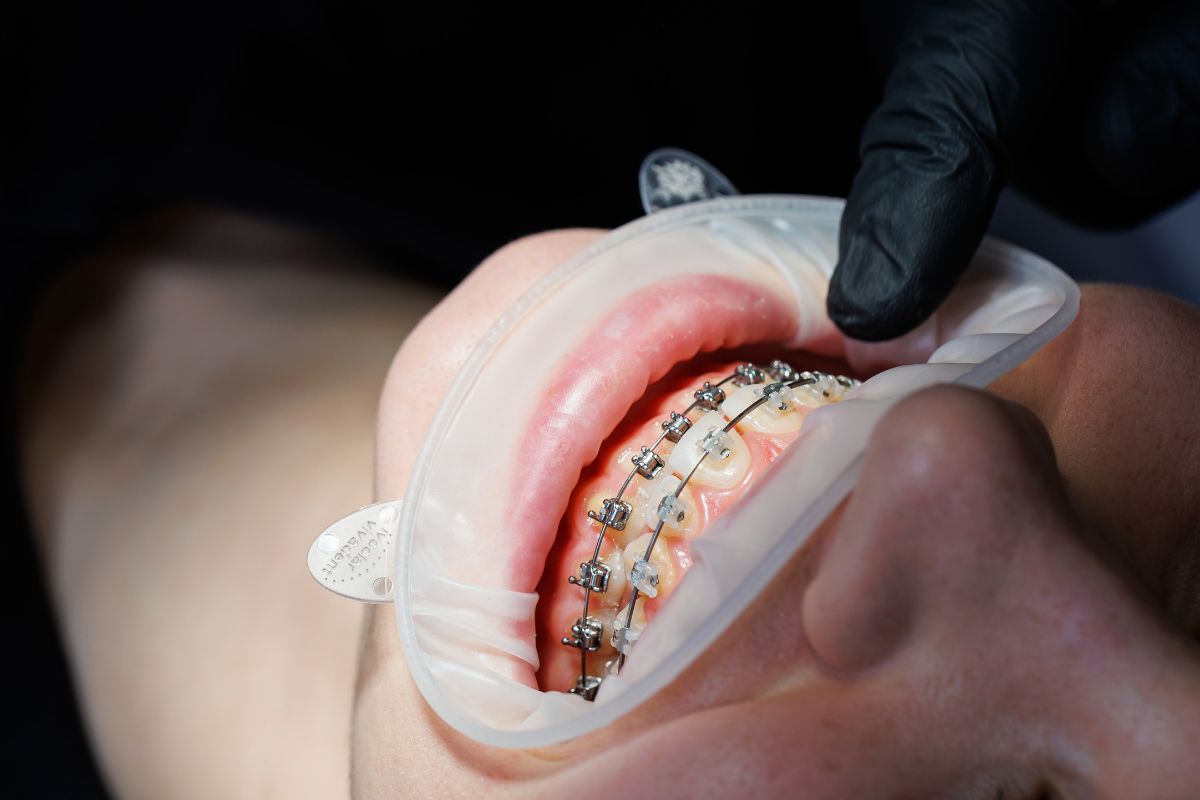
Getting your braces adjusted is an exciting step toward a healthier bite and straighter teeth. But when your teeth start feeling tender afterward, even eating your favorite foods can become a little uncomfortable. The good news? This soreness is usually temporary, and a few simple changes can make the adjustment period much easier.
Whether you are a teen starting orthodontic treatment or an adult working toward a better bite, knowing how to manage discomfort can help you feel more confident throughout the process.
For families exploring Best bakersfield orthodontics, understanding what to expect after an adjustment is an important part of choosing and maintaining the right orthodontic care.
Why Do Braces Hurt After an Adjustment?
Braces apply gentle, controlled pressure to guide your teeth into better positions. During an adjustment, your orthodontist may change the wires or make other modifications to keep your treatment progressing.
As your teeth respond to this pressure, you may notice:
- Tender teeth when biting or chewing
- Mild soreness around the gums
- Pressure that feels stronger when eating
- Irritation on the inside of your cheeks or lips
- Temporary sensitivity to certain foods
This discomfort often begins within the first day after an adjustment and improves over the next few days. Everyone responds differently, so your experience may not be exactly the same as someone else’s.
Simple Ways to Relieve Braces Pain at Home
You do not have to put your routine on hold just because your teeth feel sore. Try these practical tips to make the adjustment period more comfortable.
Choose Soft Foods for a Few Days
Chewing can be uncomfortable when your teeth are tender. Give your mouth a break by choosing foods that require less effort to eat.
Some comfortable options include:
- Scrambled eggs
- Yogurt and smoothies
- Mashed potatoes
- Oatmeal
- Soft pasta
- Soups that have cooled to a comfortable temperature
- Bananas and other soft fruits
If you are packing lunch for school or work in Bakersfield, consider bringing yogurt, soft pasta, or a banana instead of crunchy snacks. You can return to your usual diet as the soreness settles, while continuing to avoid foods that can damage your braces.
Try a Cold Compress
A cold compress applied to the outside of your cheek may help ease discomfort. Wrap an ice pack in a clean towel and apply it for short intervals.
Cold water or cool, soft foods may also feel soothing. Avoid placing ice directly against your teeth or chewing on ice, since it can damage your enamel and orthodontic appliances.
Use Orthodontic Wax for Irritation
Sometimes the brackets or wires rub against the inside of your cheeks and lips. Orthodontic wax can create a protective barrier over an irritating bracket.
To use it, gently dry the area as directed, roll a small amount of wax between clean fingers, and place it over the part causing irritation.
If a wire is poking you or a bracket feels loose, contact your orthodontic office for advice rather than trying to repair the appliance yourself.
Keep Brushing and Flossing Gently
When your teeth feel sore, skipping oral hygiene may seem tempting. However, keeping your teeth clean is especially important during orthodontic treatment.
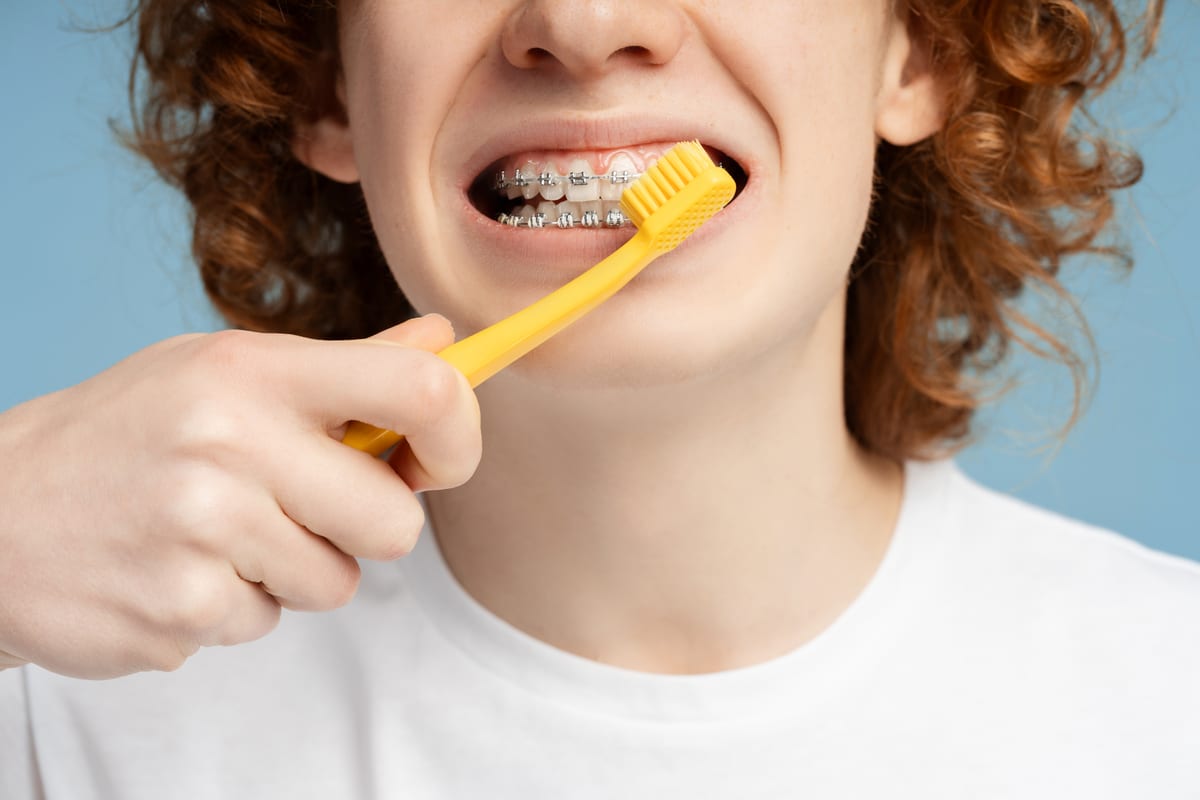
Use a soft-bristled toothbrush and gentle movements around the brackets and gumline. Continue cleaning between your teeth with an appropriate flossing tool.
If your gums feel tender, slow down rather than applying extra pressure. Good oral hygiene helps reduce plaque buildup and supports healthy gums while your teeth move.
Ask About Pain Relief if Needed
If discomfort interferes with eating or sleeping, ask your orthodontist or healthcare professional whether an over-the-counter pain reliever is appropriate for you.
Follow the product label and any professional instructions. Do not place aspirin directly on your teeth or gums, as it can damage the tissue. Children and teens should receive medication only with guidance appropriate for their age and health.
What Should You Avoid When Your Braces Feel Sore?
A few everyday habits can make discomfort worse or damage your appliances.
Try to avoid:
- Biting directly into hard apples or raw carrots
- Chewing ice, hard candy, or other hard foods
- Eating sticky or chewy treats that pull on brackets
- Touching sore areas repeatedly with your tongue or fingers
- Brushing aggressively around tender teeth
- Ignoring a loose bracket or protruding wire
Cut firm foods into small pieces and chew carefully. If your teeth are particularly tender, stick with softer meals until chewing becomes comfortable again.
When Should You Contact Your Orthodontist?
Mild tenderness after an adjustment is common, but not every type of pain should be ignored.
Contact your orthodontic office if you experience severe pain, discomfort that keeps getting worse, persistent soreness that does not improve, a broken bracket, or a wire that is injuring your cheek or gums.
Seek urgent medical attention for significant facial swelling accompanied by fever, difficulty swallowing, or difficulty breathing.
If you are searching for orthodontic care in Bakersfield, choose a practice where you feel comfortable asking questions and reporting concerns. A qualified orthodontic professional can help determine whether your symptoms are part of normal adjustment or require further attention.
How Can You Make Future Adjustments Easier?
A little preparation can make your next appointment less stressful.
Before your visit, consider these simple steps:
- Keep soft foods available at home.
- Bring a water bottle to school or work.
- Have orthodontic wax in your oral-care kit.
- Follow your orthodontist’s instructions for cleaning and appliance care.
- Ask what changes to expect after your adjustment.
- Keep follow-up appointments so your treatment can be monitored.
Remember, adjustment appointments are part of the process. If you know what to expect and have a plan for managing tenderness, it can be easier to stay comfortable and consistent with your treatment.
Frequently Asked Questions
How long does braces pain last after an adjustment?
Mild soreness commonly improves within a few days. The exact duration varies from person to person. Contact your orthodontist if pain is severe, worsening, or not improving as expected.
Is it normal for teeth to feel loose with braces?
Some people notice a slight feeling of movement as teeth shift during orthodontic treatment. However, significant looseness or unusual pain should be evaluated by your orthodontist.
Can I eat normally after getting my braces adjusted?
You can continue eating, but soft foods may be more comfortable initially. Avoid hard, sticky, and chewy foods that could damage brackets or wires throughout treatment.
Should I stop brushing when my teeth are sore?
No. Continue brushing gently with a soft-bristled toothbrush and cleaning between your teeth. Maintaining good oral hygiene helps protect your teeth and gums while wearing braces.
What should I do if my braces hurt more than expected?
Contact your orthodontic office for personalized guidance, especially if pain is severe, persistent, or accompanied by a broken appliance or injury. Do not attempt to make major wire or bracket adjustments yourself.
Make Your Orthodontic Journey More Comfortable
A little tenderness after an adjustment does not have to take the excitement out of your orthodontic journey. With soft foods, gentle cleaning, and a few simple comfort measures, you can give your teeth time to adapt while protecting your oral health.
At Ricks Family Orthodontics, the goal is to help patients and families feel informed and supported throughout treatment. Schedule an appointment today to discuss your orthodontic concerns and get guidance tailored to your needs.
Request An Appointment
Are we the right fit for you or your family? Come in for a free consultation!
Request Appointment
Call Us