Northeast Office

When to Visit an Orthodontist: Signs You Need Treatment

Published On - November 21, 2025
A healthy smile is about more than looks—it impacts overall dental health and confidence. Many people in Bakersfield experience dental issues that may require professional attention. Consulting a Bakersfield orthodontist can help identify problems early, correct misalignment, and prevent long-term complications. Recognizing the signs that you need orthodontic treatment is the first step toward a straighter, healthier smile.
Why Orthodontic Care Matters
Orthodontic treatment focuses on correcting the alignment of teeth and jaws. Misaligned teeth, crowding, gaps, or bite issues can lead to difficulties in chewing, speech problems, jaw pain, and an increased risk of cavities or gum disease. By visiting a skilled orthodontist, you can ensure these issues are addressed efficiently, reducing future dental concerns.
Orthodontic care is not limited to children. Adults increasingly seek treatment to improve both function and aesthetics, demonstrating that it’s never too late to enhance oral health.
Common Signs You Need to See an Orthodontist
1. Crooked or Crowded Teeth
One of the most visible signs that orthodontic care is needed is crooked or crowded teeth. Overlapping or rotated teeth can make cleaning difficult, leading to plaque buildup, cavities, and gum problems.
How a Bakersfield orthodontist can help: Treatment options like braces or clear aligners gradually reposition teeth into proper alignment, creating a healthier and more uniform smile.
2. Bite Issues
Bite problems, including overbite, underbite, crossbite, or open bite, can affect chewing and jaw function. Signs of bite issues may include difficulty biting, frequent jaw soreness, or uneven tooth wear.
Middle Call to Action: If you notice discomfort while chewing or your bite feels off, consider consulting a Bakersfield orthodontist for an evaluation. Early intervention can prevent worsening conditions.
3. Gaps Between Teeth
While small gaps are common, larger or uneven gaps can cause food to get stuck, increasing the risk of decay and gum disease. Gaps can also affect speech and overall smile aesthetics.
Orthodontic solutions such as braces or aligners gently close these gaps, restoring function and appearance.
4. Difficulty Chewing or Speaking
Chewing problems or lisped speech may indicate underlying alignment or bite issues. Left untreated, these issues can strain the jaw and lead to chronic discomfort.
Orthodontists can assess jaw positioning and tooth alignment, recommending treatments to improve function and comfort.
5. Teeth Grinding or Jaw Pain
Frequent teeth grinding (bruxism) or unexplained jaw pain can signal misalignment. Misaligned teeth can create uneven pressure during chewing, causing strain and headaches.
Professional orthodontic care can realign teeth and relieve stress on the jaw, reducing pain and preventing long-term damage.
6. Early or Late Loss of Baby Teeth
In children, losing baby teeth too early or too late can indicate potential alignment problems. Even in adults, delayed eruption of certain teeth can impact bite and crowding.
A Bakersfield orthodontist can monitor growth patterns and recommend timely interventions to guide teeth into their proper positions.
7. Difficulty Maintaining Oral Hygiene
Crooked or crowded teeth make brushing and flossing more challenging. Food particles and plaque may remain trapped, increasing the risk of cavities, gum disease, and bad breath.
Orthodontic treatment straightens teeth, making oral hygiene routines more effective and easier to maintain.
Benefits of Seeing an Orthodontist Early
Early orthodontic intervention offers numerous advantages:
- Prevents future dental problems and reduces the need for invasive treatments.
- Improves bite function, making chewing and speaking easier.
- Enhances self-confidence through a straighter, attractive smile.
- Makes oral hygiene more effective, reducing risk of decay and gum disease.
Identifying the right time for treatment is crucial, whether for children, teens, or adults.
Types of Orthodontic Treatments
Modern orthodontics offers multiple solutions tailored to individual needs:
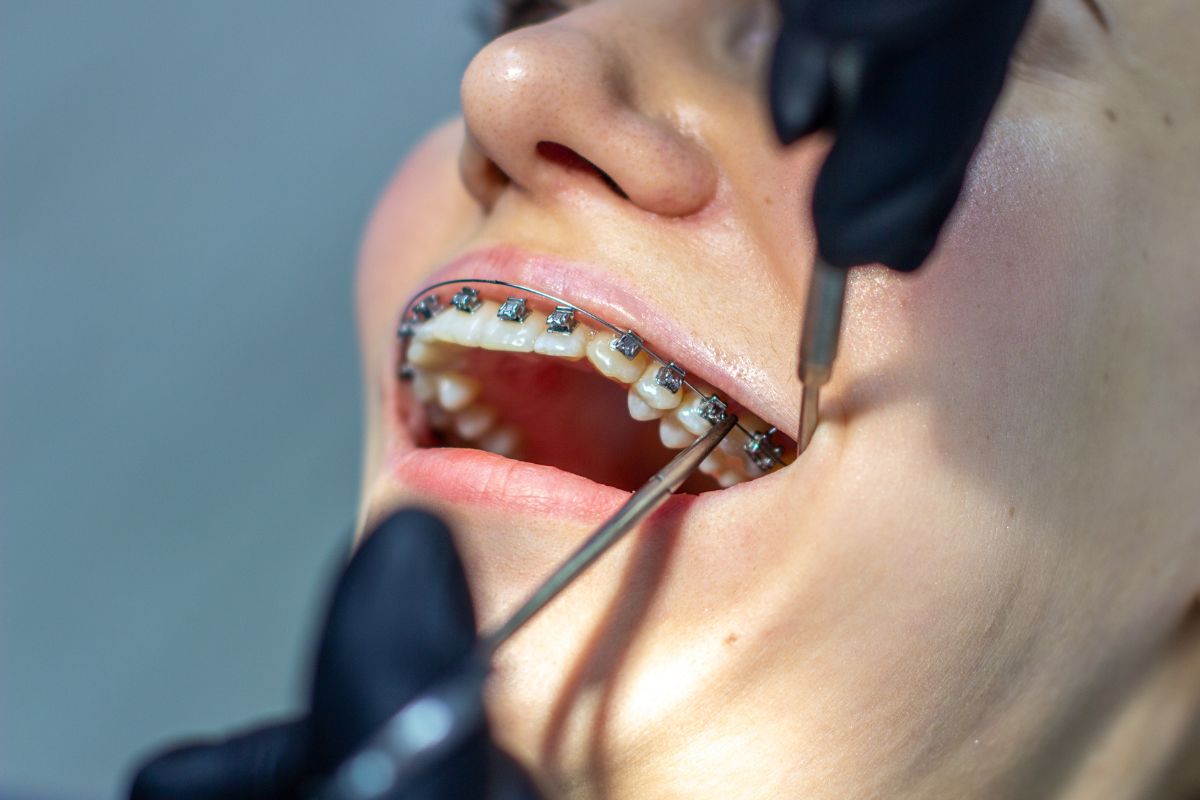
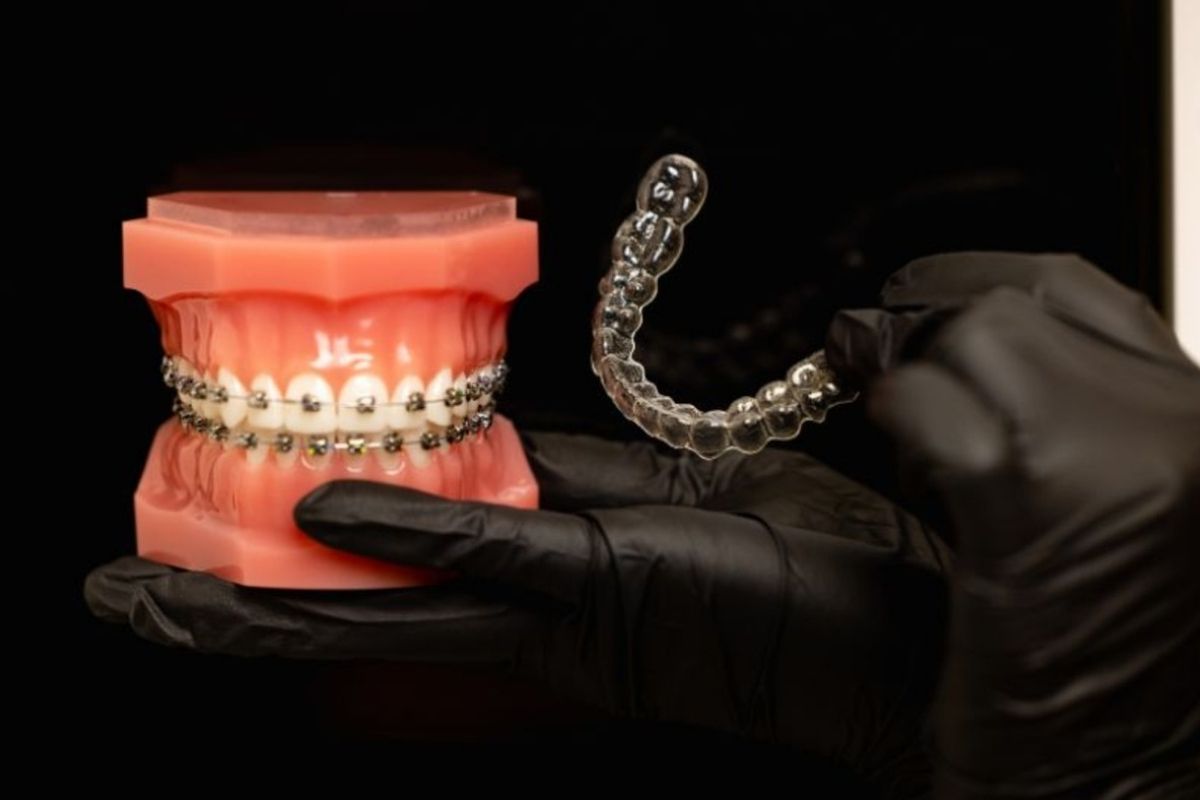
- Traditional Braces: Metal or ceramic brackets attached to teeth, effective for most alignment issues.
- Clear Aligners: Removable trays that gradually move teeth, offering a discreet option for adults.
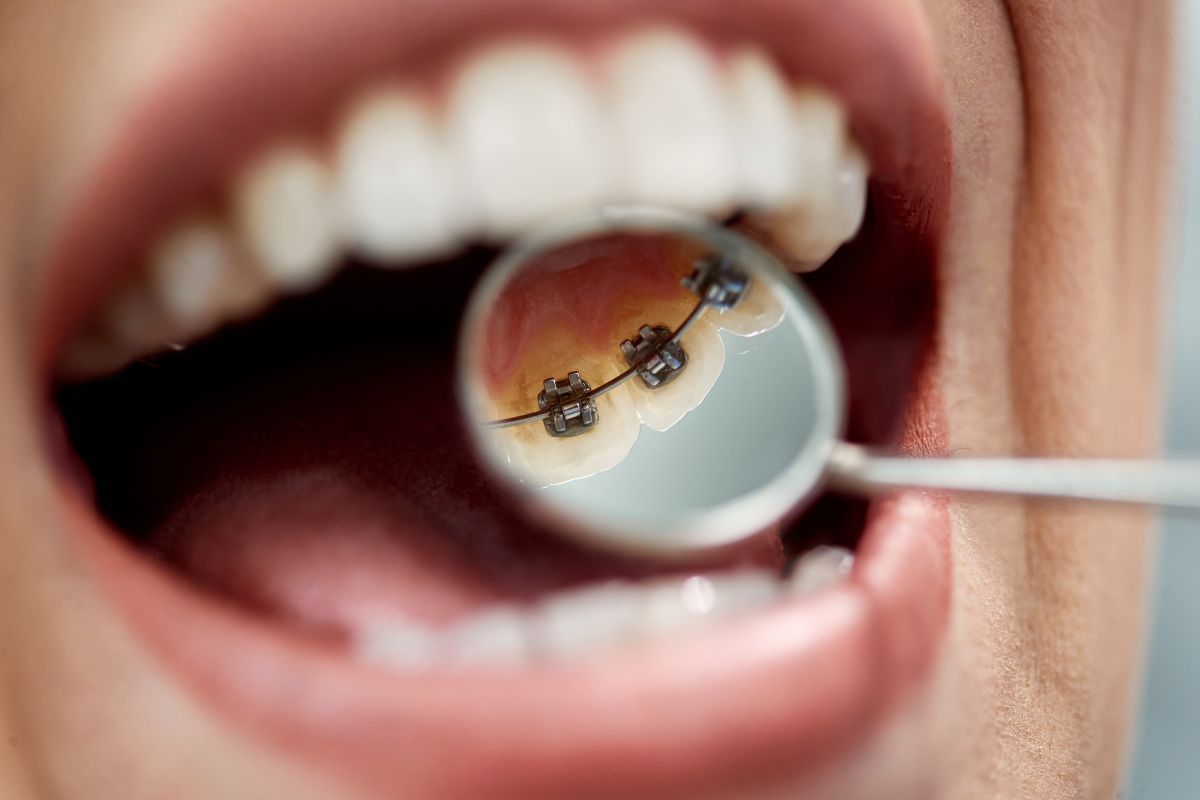
- Lingual Braces: Placed behind teeth for minimal visibility.
- Retainers: Used after treatment to maintain teeth in their new positions.
Your orthodontist will evaluate your teeth, bite, and lifestyle preferences to recommend the best approach.
Tips for a Successful Orthodontic Journey
- Attend regular checkups and adjustment appointments.
- Maintain proper brushing and flossing habits.
- Avoid sticky or hard foods that can damage appliances.
- Wear retainers as instructed after treatment.
Following these tips ensures smoother treatment, faster results, and long-lasting outcomes.
FAQs
1. At what age should someone see an orthodontist?
Children are often evaluated around age 7, but adults can benefit from treatment at any age.
2. How long does orthodontic treatment take?
Treatment typically lasts 12–36 months, depending on the severity of alignment issues.
3. Do braces hurt?
Mild discomfort may occur after adjustments, but it usually resolves within a few days.
4. Can orthodontics fix bite issues completely?
Yes. Braces, aligners, or other treatments can correct overbites, underbites, and crossbites effectively.
5. Are invisible options available?
Yes. Clear aligners and lingual braces provide discreet ways to straighten teeth.
6. How often should I visit an orthodontist?
Visits are generally every 4–8 weeks for adjustments and progress monitoring.
7. Will my teeth shift after treatment?
Retainers help maintain teeth in their new positions, preventing future movement.
Conclusion
Knowing when to visit an orthodontist is key to maintaining both the appearance and function of your smile. Signs such as crooked teeth, bite problems, gaps, and jaw discomfort indicate it may be time for a professional evaluation. Consulting Ricks Family Orthodontics ensures early detection and effective treatment, leading to long-term dental health and confidence.
Taking the first step today allows you to enjoy a healthier, straighter smile for years to come. If you’ve noticed any of these signs, schedule a consultation with an experienced orthodontist and start your journey toward improved oral health.
Request An Appointment
Are we the right fit for you or your family? Come in for a free consultation!
Request Appointment
Call Us