Northeast Office


How to Maintain Oral Health During Orthodontic Treatment


Published On - February 27, 2026
Embarking on orthodontic treatment is an exciting journey toward a healthier, more beautiful smile. Whether you’re undergoing treatment with traditional braces or Invisalign, maintaining excellent oral health is crucial for achieving the best results and ensuring a smooth process. In Bakersfield, experts in orthodontics offer valuable advice on how to keep your teeth and gums healthy while undergoing orthodontic treatment. This comprehensive guide will provide essential tips and insights to help you navigate this transformative period with confidence.
1. Understanding Orthodontic Treatments
Orthodontic treatments are designed to correct misaligned teeth and bite issues. In Bakersfield, orthodontists offer a range of options to address these concerns, including traditional braces and Invisalign.
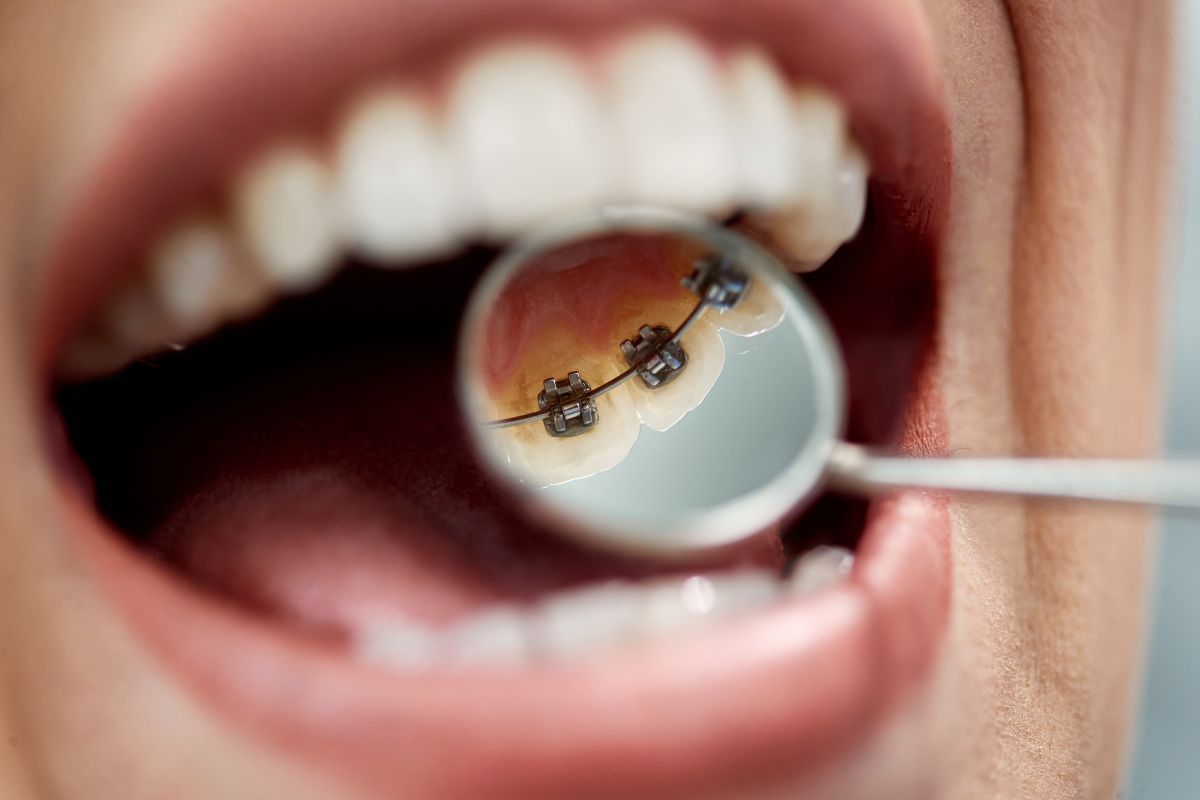
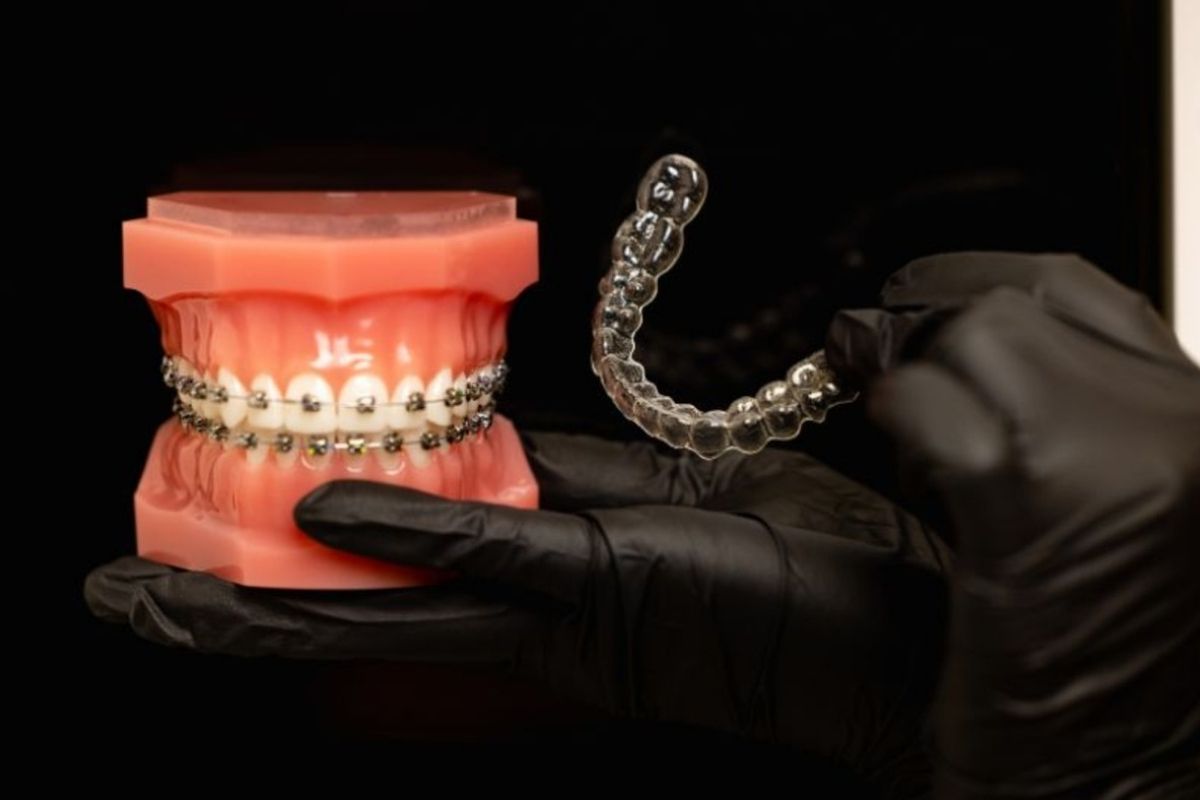
- Braces: Traditional braces consist of metal brackets and wires that gradually shift teeth into their proper positions. They are effective for a wide range of alignment issues and are often chosen for their proven results.
- Invisalign: Invisalign is a popular alternative to braces, using a series of clear, removable aligners to straighten teeth discreetly. Invisalign is a preferred choice for many due to its comfort and aesthetics.
Regardless of the treatment you choose, maintaining oral health is vital to achieving optimal results and avoiding complications.
2. Importance of Oral Hygiene
Maintaining excellent oral hygiene is essential during orthodontic treatment to prevent issues such as cavities, gum disease, and discoloration. Here’s how to effectively manage oral hygiene while undergoing treatment:
- Brushing: Brush your teeth at least twice a day using fluoride toothpaste. If you have braces, use a soft-bristled toothbrush and pay extra attention to the areas around the brackets and wires. For Invisalign users, brush your teeth before reinserting the aligners to remove food particles and plaque.
- Flossing: Flossing is crucial for removing plaque and food particles from between your teeth and along the gumline. Use orthodontic floss or floss threaders to navigate around braces. For Invisalign users, floss as you normally would, making sure to clean between each tooth.
- Interdental Brushes: Interdental brushes can help clean between braces and around appliances. They can effectively remove debris and plaque from hard-to-reach areas.
- Mouthwash: Rinsing with an antimicrobial mouthwash can help reduce bacteria and freshen your breath. Choose a mouthwash that is alcohol-free and designed for orthodontic care.
3. Managing Diet and Food Choices
What you eat can significantly impact your oral health during orthodontic treatment. Adhering to dietary guidelines can help prevent damage to your braces and maintain the effectiveness of your treatment. Here’s what you need to know:
- Avoid Sticky and Hard Foods: Sticky foods, such as caramel and gum, can adhere to your braces and make oral hygiene more challenging. Hard foods like nuts and ice can damage brackets and wires. Opt for softer foods that are less likely to cause damage.
- Cut Food into Smaller Pieces: If you do eat harder foods, cut them into smaller, manageable pieces to minimize the risk of damaging your braces.
- Maintain a Balanced Diet: Eating a balanced diet rich in fruits, vegetables, and lean proteins can support overall oral health. Foods high in calcium and vitamin D are especially beneficial for maintaining strong teeth and bones.
4. Regular Orthodontic Checkups
Routine orthodontic appointments help track the progress of your treatment and ensure any concerns are addressed promptly.
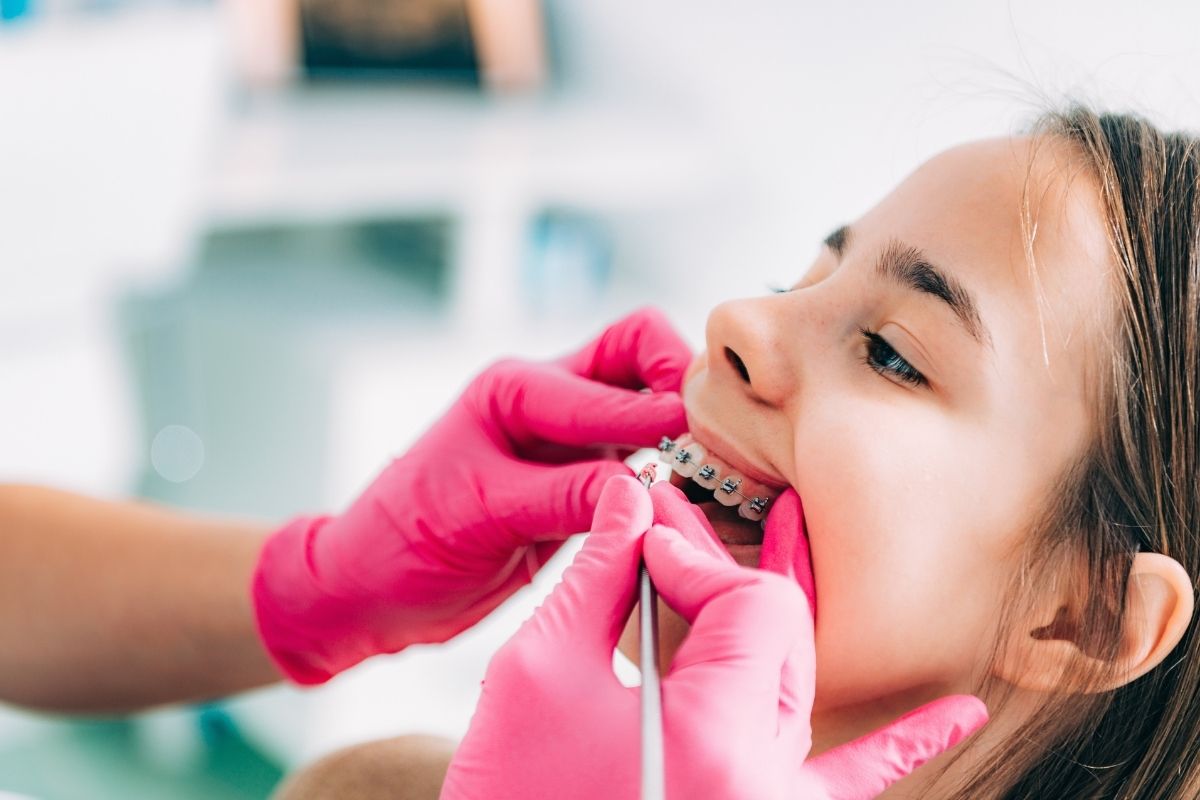
- Scheduled Appointments: Attend all scheduled appointments with your orthodontist to ensure your treatment is progressing as planned. These visits allow your orthodontist to adjust your braces or Invisalign aligners and make any necessary modifications.
- Addressing Concerns: If you experience any discomfort, issues with your braces, or problems with your aligners, contact our orthodontist Bakersfield promptly. Early intervention can prevent minor issues from becoming major problems.
- Professional Cleanings: Regular professional cleanings with your general dentist are also important during orthodontic treatment. Your dentist can help remove plaque buildup and check for any signs of oral health issues.
5. Tips for Comfort and Care
Orthodontic treatment can sometimes cause discomfort, especially after adjustments. Here are some tips to manage discomfort and care for your braces or aligners:
- Orthodontic Wax: If you have braces, orthodontic wax can be applied to brackets and wires to reduce irritation and discomfort. Place a small amount of wax over any areas that are causing irritation to your cheeks or gums.
- Pain Relief: Over-the-counter pain relievers can help manage any discomfort or soreness associated with orthodontic adjustments. Always follow the dosage instructions and consult your orthodontist if you have any concerns.
- Aligner Care: For Invisalign users, clean your aligners daily using a mild soap and lukewarm water. Avoid using hot water, which can warp the aligners. Store your aligners in their case when not in use to prevent damage and contamination.
6. Special Considerations for Invisalign
If you’re undergoing Invisalign treatment, there are a few additional considerations to keep in mind:
- Wear Aligners as Directed: For Invisalign to be effective, wear your aligners for the recommended amount of time each day, typically 20-22 hours. Only remove them for eating, drinking, and brushing.
- Clean Aligners Regularly: Regular cleaning of your aligners is crucial to prevent the buildup of bacteria and maintain freshness. Use the Invisalign cleaning system or a mild soap, and avoid using abrasive cleaners that could scratch the surface of the aligners.
- Check for Proper Fit: Ensure that your aligners fit snugly and comfortably. If you notice any issues with the fit or if your aligners become damaged, contact your orthodontist immediately for guidance.
7. Maintaining Long-Term Oral Health
Once your orthodontic treatment is complete, maintaining long-term oral health is essential for preserving your beautiful new smile. Here’s how to care for your teeth after treatment:
- Retainers: Follow your orthodontist’s instructions regarding the use of retainers to prevent your teeth from shifting back to their original positions. Retainers help maintain the results of your orthodontic treatment.
- Continued Oral Hygiene: Continue practicing excellent oral hygiene habits, including regular brushing, flossing, and professional cleanings. Maintaining good oral health is crucial for preserving the results of your orthodontic treatment.
- Regular Checkups: Schedule regular checkups with your general dentist to monitor your oral health and address any potential issues. Regular visits can help ensure that your teeth and gums remain healthy and your smile stays beautiful.
Maintaining oral health during orthodontic treatment is essential for achieving the best results and ensuring a smooth journey toward your new smile. Whether you are undergoing treatment with traditional braces or clear aligners, following expert advice on oral hygiene, diet, and daily care can make a significant difference in your experience. By following the guidance provided by the team at Ricks Family Orthodontics, you can help ensure that your treatment progresses smoothly and that your teeth and gums remain healthy throughout the process. Remember to attend regular checkups, follow your orthodontist’s recommendations, and take proper care of your braces or aligners to enjoy the full benefits of your orthodontic treatment.
Your commitment to maintaining oral health during orthodontic treatment will not only improve the effectiveness of your care but also support long-term dental health. Embrace this important step toward a healthier smile with confidence, knowing that with the support of Ricks Family Orthodontics, you are taking the right steps to achieve and maintain a beautiful, healthy smile.
Request An Appointment
Are we the right fit for you or your family? Come in for a free consultation!
Request Appointment
Call Us