Northeast Office


How to Clean Your Braces Properly: Orthodontist Tips

Published On - December 12, 2025
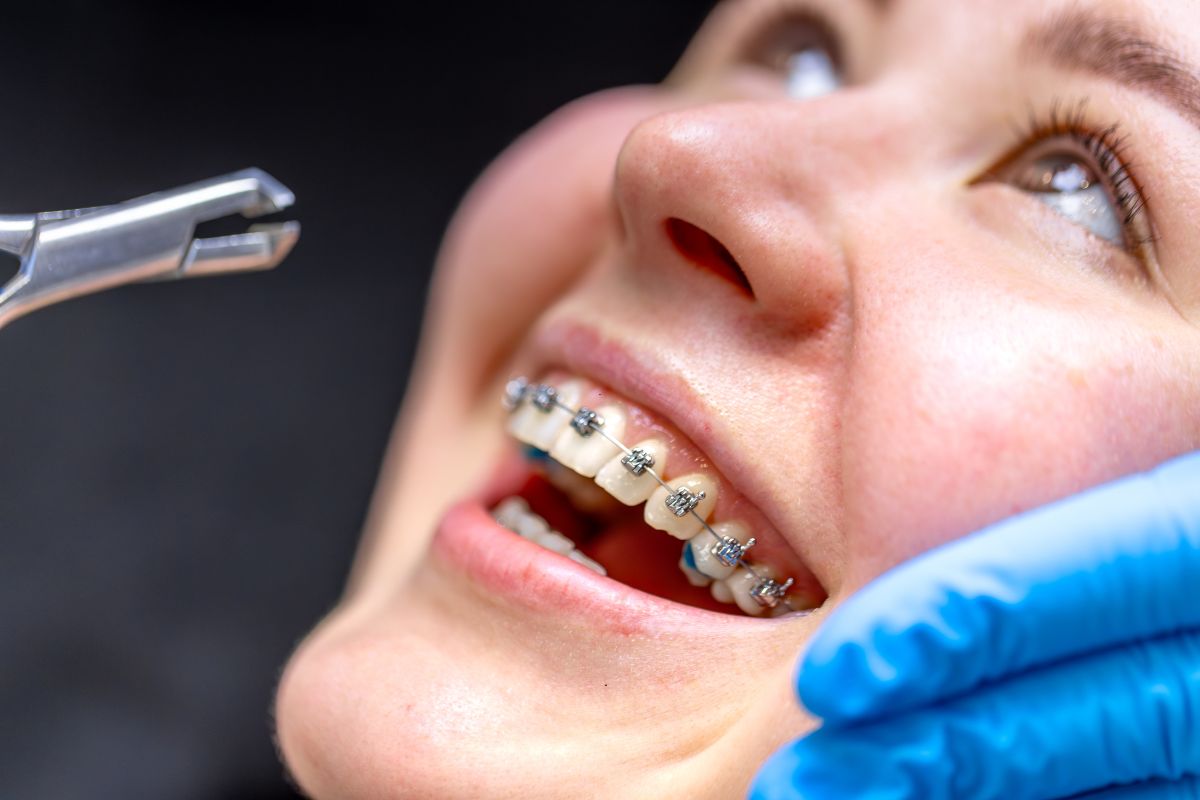
Keeping your teeth clean with braces is easier than you think. You just need the right steps and a few daily habits. Many families in the area trust an orthodontist Bakersfield for help, and one thing they often hear is this: clean braces lead to better results and fewer problems. If you want your smile to stay healthy during treatment, this guide gives you clear steps anyone can follow.
Good cleaning habits prevent stains, swollen gums, bad breath and white spots on teeth. Braces collect food in small spaces, so you must be extra careful. When you follow the steps below, you protect your teeth while helping your braces do their job.
If you ever feel stuck or unsure, reach out for help. Getting advice early keeps you on track.
If anything feels too hard or unclear, ask your local bakersfield orthodontist for guidance before the problem grows.
Why Cleaning Braces Matters
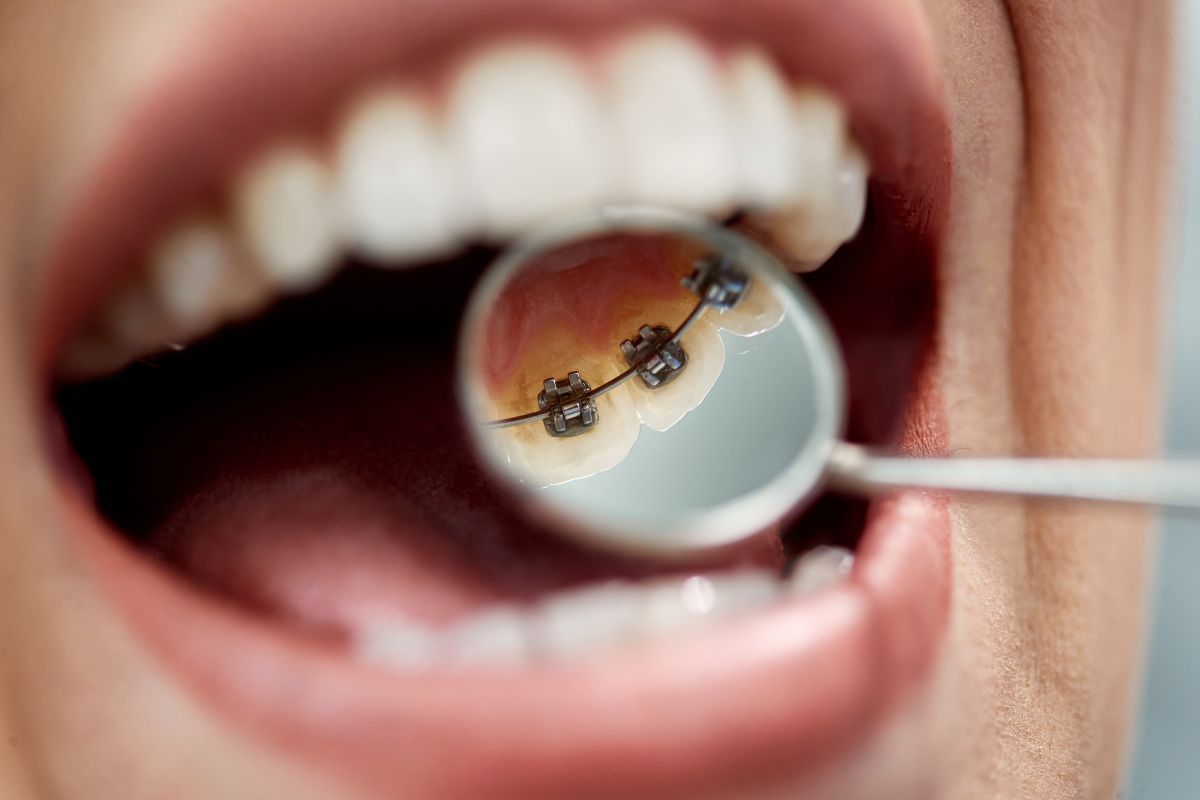
Braces add brackets and wires that trap food. When food sits too long, bacteria grow and form plaque. Plaque then causes cavities and gum swelling. With braces, plaque builds up faster. That is why cleaning is key.
A clean mouth also helps your braces move your teeth the right way. If gums are swollen, movement slows down. You may need longer treatment. Good cleaning saves time and keeps your smile safe.
Step 1: Brush After Every Meal
Brushing removes food before it turns into plaque. Make it a habit to brush after breakfast, lunch and dinner. If brushing right away is not possible, rinse well with water until you can.
How to Brush With Braces
- Use a soft toothbrush.
- Hold it at a slight angle toward the gums.
- Brush above the brackets, then below them.
- Brush every tooth one by one.
- Brush the biting surfaces.
- Brush the back of your teeth too.
Move the brush in small circles. Go slow so you do not miss spots. It should take at least two minutes. If you like, an electric toothbrush works well for many patients, and many families use them for braces care.
Step 2: Use a Proxabrush for Tight Spots
A proxabrush looks like a small bottle brush. It is made for braces. Slide it gently between brackets and under wires. This brush gets what your normal toothbrush cannot reach. It removes sticky food like bread crumbs, rice or meat fibers.
A bakersfield orthodontist often recommends this brush because it helps prevent white spots on teeth. Try to use it once a day, or more if you need it.
Step 3: Floss Every Day
Flossing is hard with braces, but very important. It pulls out food stuck between teeth. If food stays there, gums get puffy and bleed. Daily flossing keeps gums calm and healthy.
Easy Ways to Floss With Braces
- Use a floss threader to slide floss under the wire.
- Try orthodontic floss that has a stiff end.
- Water flossers also help and are easy for kids to use.
Even if you use a water flosser, try to use regular floss a few times a week. It gives a deeper clean.
Step 4: Rinse With a Gentle Mouthwash
Use a fluoride mouthwash once a day. It strengthens your teeth and protects them from early cavities. It also washes away tiny bits of food. Look for a mild one that does not burn. Swish for 30 seconds for best results.
Step 5: Watch What You Eat
Some foods stick to braces or break wires. When wires snap, teeth stop moving. A repair visit may be needed. This can slow treatment.
Foods to Avoid
- Hard chips
- Popcorn
- Nuts
- Sticky candy
- Chewing gum
- Ice cubes
Better Choices
- Soft fruits
- Pasta
- Yogurt
- Cooked veggies
- Eggs
If you eat apples or carrots, cut them into small pieces first. Many orthodontist bakersfield offices tell patients this simple trick to avoid breakage.
Step 6: Stay Consistent With Appointments
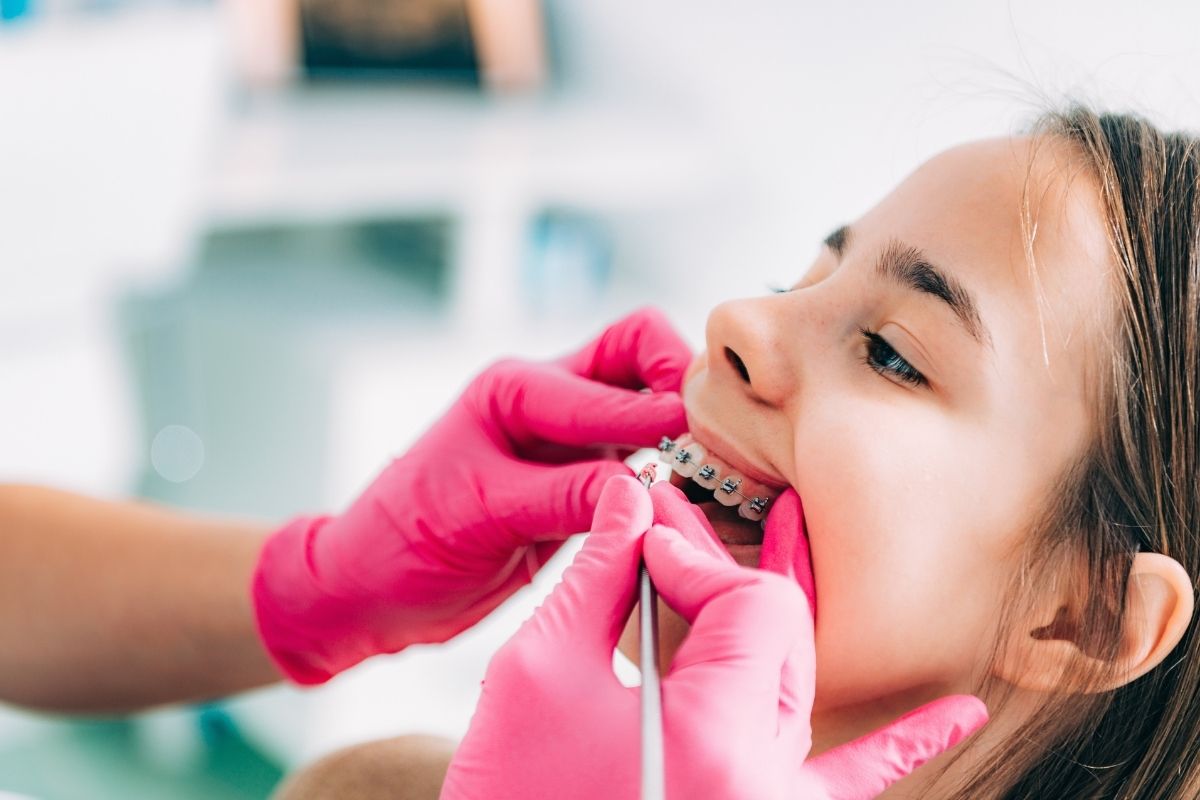
Regular visits help your orthodontist check progress and clean hard-to-reach spots. They can also fix loose wires, give brushing tips and prevent small issues from turning into big problems.
Appointments also let your orthodontist see if your cleaning habits are working. Many teens find this extra support helpful.
Step 7: Build a Simple Daily Routine
Here is an easy routine you can follow:
Morning:
- Brush well
- Check for food stuck from last night
- Rinse
After lunch:
- Brush or rinse
- Use a proxabrush if needed
Night:
- Brush
- Floss
- Use mouthwash
Keep your kit close: toothbrush, fluoride paste, proxabrush, floss threaders, and a travel brush for school or work.
Common Mistakes to Avoid
- Brushing too fast
- Skipping flossing
- Not rinsing after snacks
- Eating sticky foods
- Ignoring sore or swollen gums
- Using a hard-bristled brush
Small mistakes lead to big problems over time. If you notice issues, get help early from your bakersfield orthodontist.
Signs You Are Cleaning the Right Way
- Gums look pink, not red
- Teeth feel smooth
- Braces look free of food
- No bleeding when brushing
- Breath stays fresh
If you see these signs, you are doing things right.
When to Ask for Help
If brushing feels painful, gums stay swollen, or you keep getting food stuck in the same spots, talk to your orthodontist. They can show you better techniques or tools. Do not wait until things get worse.
Conclusion
Keeping braces clean does not have to be hard. With simple steps and a steady routine, you protect your teeth and help your braces work faster. Brush often, floss daily, use a proxabrush, watch your diet and keep your appointments. These habits prevent problems and keep your smile healthy.
If you ever feel unsure about your cleaning routine, reach out to Ricks Family Orthodontics office and ask for help. A little guidance keeps you on track and helps you get the smile you want.
Top FAQs
1. How many times should I brush my teeth with braces?
Brush after every meal, or at least three times a day.
2. Do I need a special brush for braces?
A soft brush works fine, but a proxabrush helps clean tight spaces.
3. Can I use a water flosser instead of regular floss?
Yes, but try to use regular floss a few times a week for a deeper clean.
4. What foods should I avoid with braces?
Skip hard, sticky and chewy foods that may break wires or brackets.
5. Why do my gums bleed when brushing?
This often means plaque has built up. Brush and floss more often. If bleeding stays, ask a bakersfield orthodontist.
6. How long should each brushing session take?
Aim for at least two minutes.
7. What if something breaks on my braces?
Call your orthodontist soon. Do not try to fix it yourself.
Request An Appointment
Are we the right fit for you or your family? Come in for a free consultation!
Request Appointment
Call Us