Northeast Office


How Long Does Orthodontic Treatment Usually Take?

Published On - March 6, 2026
Many people consider orthodontic treatment when they want straighter teeth and a healthier bite. One of the most common questions patients ask before starting treatment is simple: how long will it take? The answer is not always the same for every patient because orthodontic care is customized for each smile.
Orthodontic treatment works by gradually moving teeth into better positions. This process requires patience and consistent care. Some people complete treatment in less than a year, while others may need more time depending on their dental condition.
Understanding the factors that affect treatment length can help you set realistic expectations and stay committed throughout the process.
Average Length of Orthodontic Treatment
For most patients, orthodontic treatment takes between 12 and 24 months. This timeline is typical for people who need moderate correction for crooked teeth, bite alignment, or spacing issues.
In some cases, treatment may take as little as six months. This usually happens when the correction is minor. On the other hand, complex cases that involve severe misalignment or bite problems may take two years or more.
An experienced orthodontic specialist carefully evaluates each patient’s teeth, jaw structure, and oral health before creating a treatment plan. During your consultation with an experienced orthodontist Bakersfield patients rely on for smile correction, you will receive a clearer estimate based on your specific needs.
Factors That Affect Treatment Time
Orthodontic care is not a one size fits all process. Several factors influence how long treatment may take.
Severity of the Dental Issue
The condition of your teeth and bite plays a major role. Mild spacing or small alignment problems usually require less time. More complex issues, such as crowded teeth or significant bite misalignment, often need longer treatment.
Type of Orthodontic Treatment
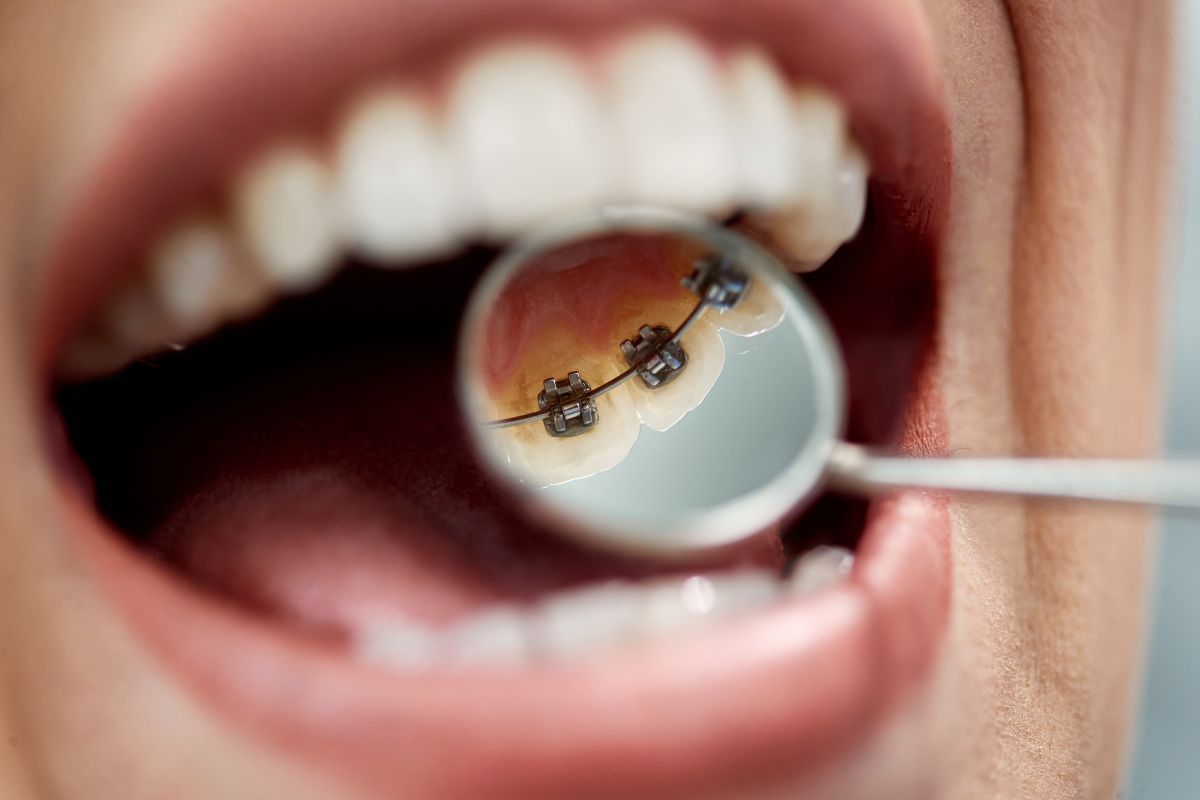
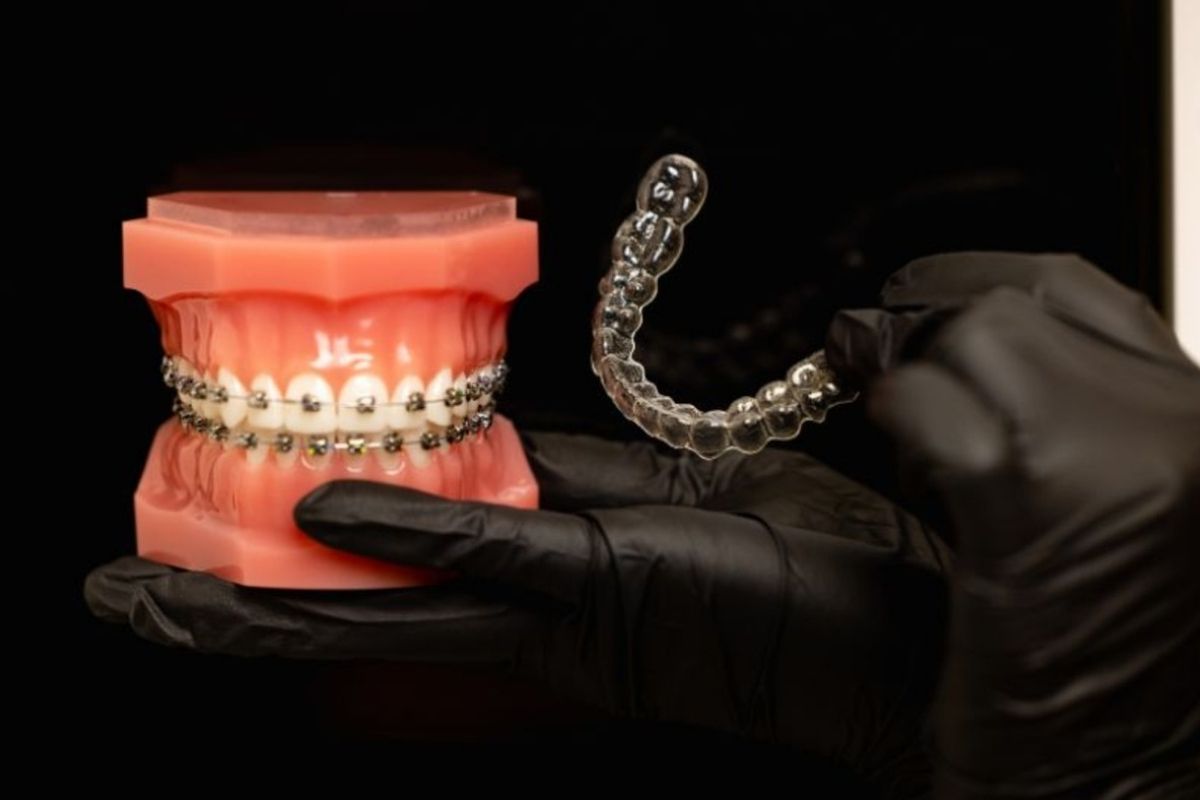
The method used to move your teeth also affects the timeline. Traditional braces, ceramic braces, and clear aligners each work differently. Some systems are designed for minor corrections, while others can treat more advanced cases.
Age of the Patient
Children and teenagers often see faster results because their jawbones are still developing. Adult patients can still achieve excellent outcomes, but tooth movement may take slightly longer because the bone structure is fully developed.
Patient Cooperation
Orthodontic treatment requires active participation from the patient. Following instructions, wearing aligners for the recommended number of hours, and attending scheduled appointments all help keep treatment on track.
A trusted orthodontist Bakersfield families depend on will explain how your daily habits can influence treatment time.
Different Treatment Options and Their Timelines
Orthodontic care includes several treatment methods. Each option works well for certain types of alignment concerns.
Traditional Braces
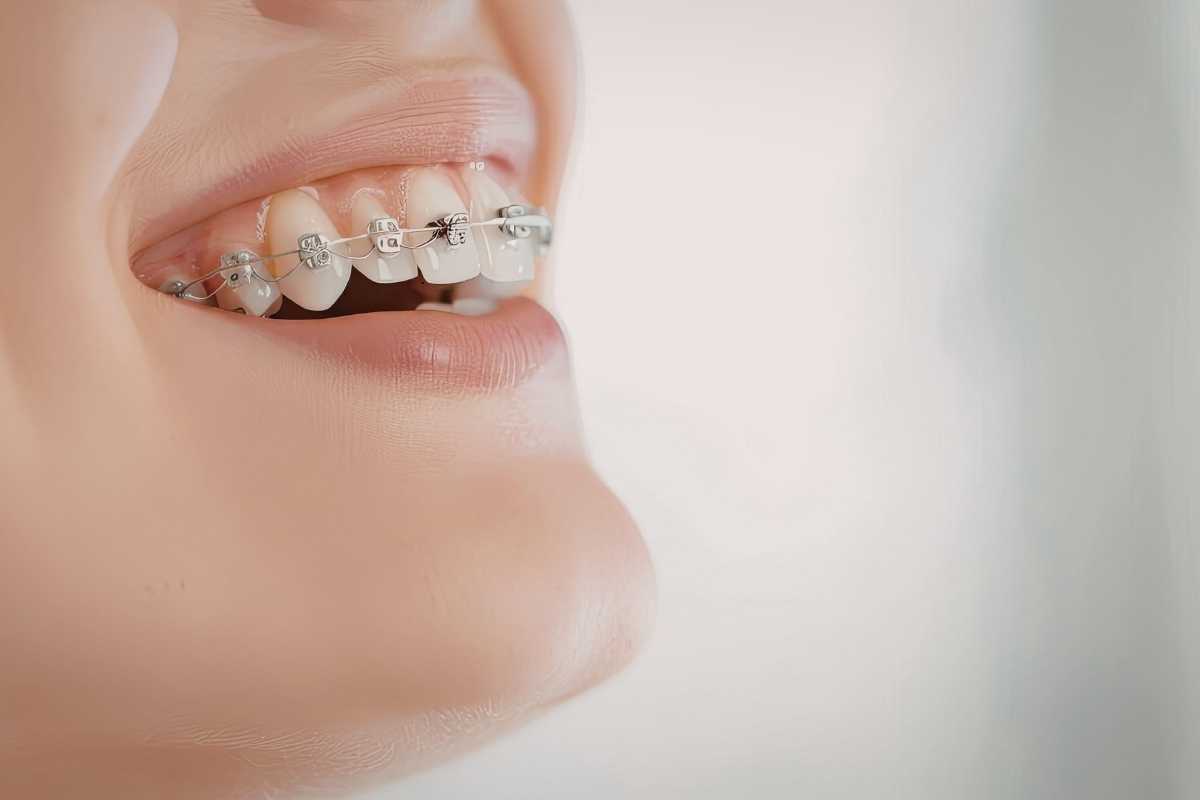
Metal braces remain one of the most reliable orthodontic treatments. They are commonly used for moderate to severe alignment issues. Treatment with braces often lasts between 18 and 24 months.
Braces apply steady pressure to move teeth gradually. Regular adjustments help guide the teeth into proper positions over time.
Ceramic Braces
Ceramic braces function similarly to metal braces but are less visible. The brackets are designed to blend with the natural color of teeth. Treatment length is usually similar to traditional braces.
Clear Aligners
Clear aligners have become a popular option for people who prefer a removable and discreet treatment method. These aligners are worn most of the day and changed regularly as teeth shift.
Treatment with clear aligners often takes between 12 and 18 months for many patients. However, the exact timeline depends on how consistently the aligners are worn.
Why Regular Appointments Matter
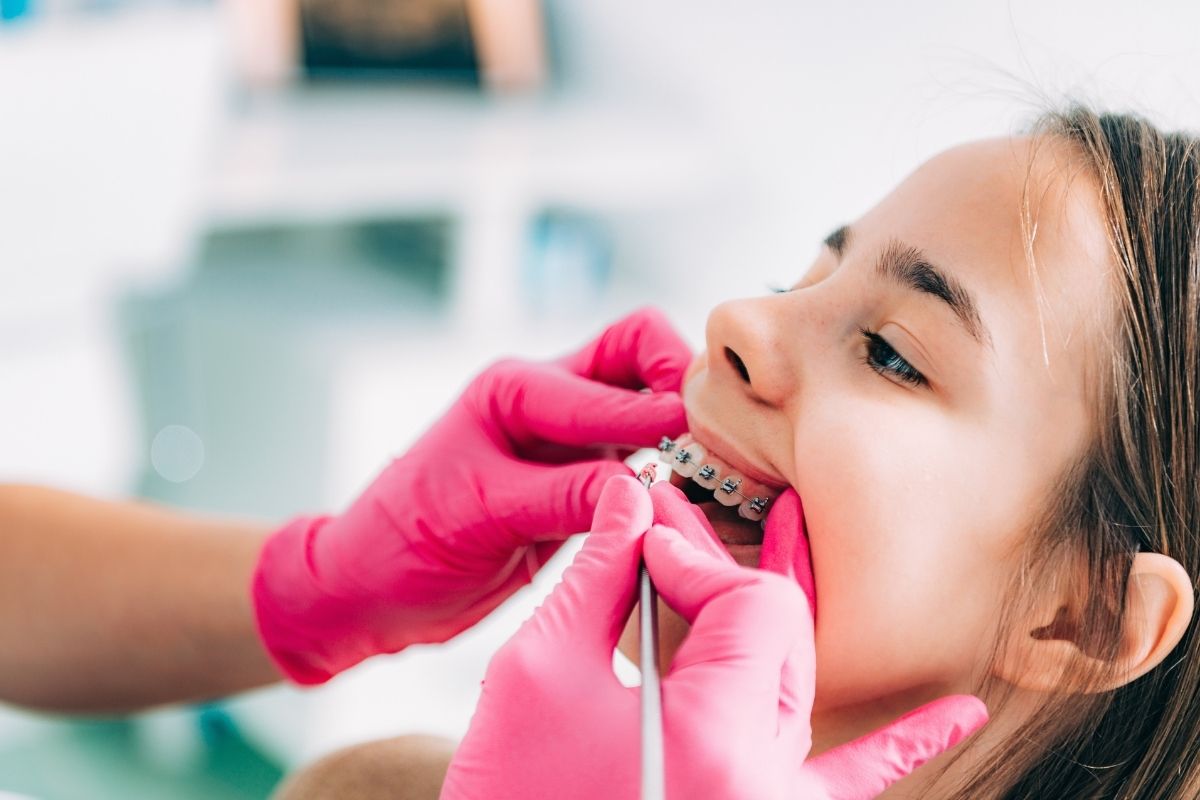
Orthodontic treatment requires regular visits so the progress of your teeth can be monitored. These visits allow the orthodontic team to make small adjustments that guide your teeth into their correct positions.
Missing appointments can slow down the process. When adjustments are delayed, tooth movement may pause or progress more slowly.
Patients who stay consistent with their appointments often complete treatment more efficiently. If you are considering treatment with an orthodontist Bakersfield residents trust for long-term dental alignment, regular follow-ups will play an important role in your results.
Why an Early Consultation Is Helpful
Orthodontic care is a gradual process. It is normal to feel curious or even impatient while waiting for results. Remember that every adjustment brings your teeth closer to the final position. If you are thinking about improving your smile but are unsure about the process, scheduling an orthodontic consultation can provide helpful answers. A professional evaluation will give you a clearer idea of treatment length and the best options for your needs. Taking this step allows you to make an informed decision about your oral health and smile goals.
Tips to Keep Your Treatment on Schedule
Patients can take simple steps to help keep orthodontic treatment moving smoothly.
Follow oral hygiene instructions.
Brushing and flossing carefully around braces or aligners helps prevent cavities and gum issues that may slow treatment.
Wear aligners as instructed.
Clear aligners must be worn for the recommended number of hours each day to work properly.
Avoid foods that damage braces.
Sticky or hard foods may break brackets or wires, delaying treatment.
Attend scheduled appointments.
Regular visits allow the orthodontist to adjust your treatment plan when needed.
Working closely with an experienced orthodontist Bakersfield patients often consult for smile alignment can help ensure your treatment stays on track.
What Happens After Treatment Ends?
When orthodontic treatment is complete, the teeth have reached their ideal positions. However, maintaining those results requires continued care.
Most patients receive a retainer after braces or aligners are removed. Retainers help keep teeth from shifting back to their previous positions. Wearing a retainer as instructed is an important step in protecting your new smile.
Long-term oral care also includes regular dental checkups, proper brushing and flossing, and healthy lifestyle habits.
Frequently Asked Questions
How soon will I start seeing results from orthodontic treatment?
Many patients begin noticing small changes within a few weeks. Teeth move gradually, so visible improvements become more noticeable as treatment continues.
Can orthodontic treatment take less than a year?
Yes, in some cases. Minor alignment issues may be corrected within six to twelve months depending on the treatment plan.
Does orthodontic treatment hurt?
Patients may feel mild pressure after adjustments or when starting a new set of aligners. This discomfort usually fades within a few days.
Can adults get orthodontic treatment?
Yes. Adults can benefit from orthodontic care just as much as younger patients. Many adults choose treatment to improve both their smile and oral health.
What happens if I stop treatment early?
Stopping orthodontic treatment before it is complete may leave teeth partially aligned. This can affect bite function and may require additional treatment later.
Conclusion
Orthodontic treatment is a gradual process designed to improve the position of your teeth and the balance of your bite. While many treatments take between 12 and 24 months, the exact timeline depends on several factors including the complexity of the dental issue, the treatment method used, and patient cooperation. The most important step is starting with a professional evaluation. A qualified orthodontic provider can assess your smile, discuss your concerns, and recommend the best approach for your situation. If you are considering orthodontic care and want to learn more about your options, scheduling a consultation at Ricks Family Orthodontics can help you better understand the process and timeline. An informed approach allows you to move forward with confidence as you work toward a healthier and more balanced smile.
Request An Appointment
Are we the right fit for you or your family? Come in for a free consultation!
Request Appointment
Call Us