Northeast Office


How Long Does Orthodontic Treatment Take? Advice from a Bakersfield Orthodontist


Published On - January 30, 2026
Orthodontic treatment is a commitment, and one of the first questions patients ask is how long it will take. The answer is not the same for everyone. Treatment time depends on many factors, including age, bite concerns, and how closely instructions are followed. At Ricks Family Orthodontics, patients often arrive with different expectations, so understanding the process early helps reduce stress and builds confidence.
This guide explains typical orthodontic timelines, what affects them, and how to stay on track throughout treatment. Whether you are considering braces or clear aligners, knowing what to expect can help you make informed decisions and plan ahead.
Average Length of Orthodontic Treatment
Most orthodontic treatments last between 12 and 24 months. Some cases are shorter and others take longer. Mild spacing or alignment issues may be corrected in under a year, while more complex bite problems can require two years or more.
An experienced Orthodontist Bakersfield patients trust will always begin with a detailed evaluation. X-rays, photos, and digital scans help determine how teeth and jaws are positioned. From there, a customized plan is created, including an estimated timeline. This estimate is not a guarantee, but it provides a helpful reference point.
Factors That Affect Treatment Time
No two smiles are the same. Several key factors influence how long orthodontic care will take.
Age of the Patient
Children and teens often respond faster to treatment because their jaws are still growing. This allows teeth to move more easily. Adults can achieve excellent results as well, but movement may take slightly longer because the bone is fully developed.
Type and Severity of the Issue
Crowded teeth, gaps, overbites, underbites, and crossbites all require different approaches. Minor alignment concerns usually take less time, while bite correction often adds months to treatment.
Type of Orthodontic Treatment
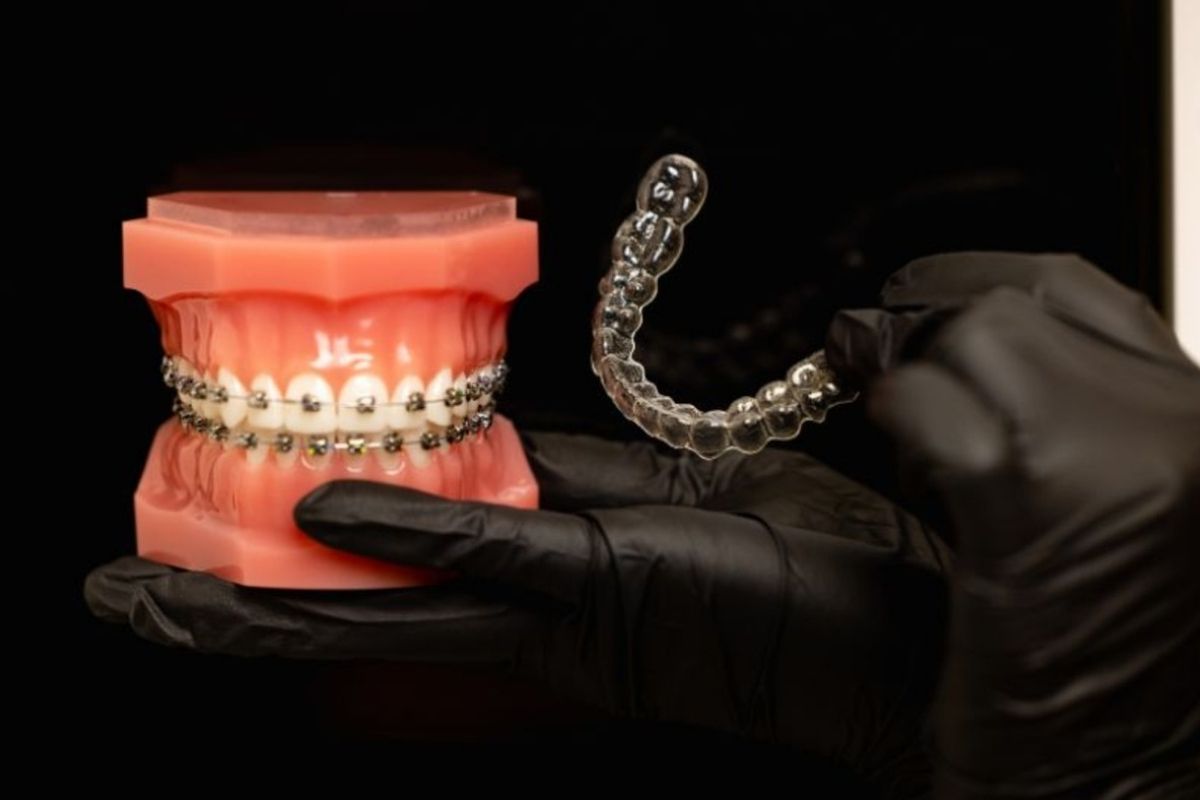
Traditional braces, ceramic braces, and clear aligners each work differently. Braces tend to be more efficient for complex cases. Clear aligners may take longer if not worn as directed. Your orthodontist will recommend the option that balances results and efficiency.
Patient Cooperation
This factor is often overlooked. Wearing aligners for the recommended hours, avoiding foods that damage braces, and attending scheduled visits all help prevent delays. Missed appointments or broken appliances can extend treatment time.
Braces vs Clear Aligners: Time Differences
Many patients ask whether braces work faster than clear aligners. The answer depends on the case.
Braces apply constant pressure and are often better for complex movements. This can make them more predictable in terms of timing. Clear aligners are effective for many patients, but they rely heavily on consistent wear. Skipping aligners or wearing them fewer hours per day can slow progress.
An Orthodontist Bakersfield residents rely on will explain these differences clearly during the consultation so patients can choose the option that fits their lifestyle and needs.
What Happens During the First Few Months
The first three to six months often involve the most noticeable changes. Teeth begin shifting into better positions, and patients may feel mild pressure or soreness as the mouth adjusts. This stage is important, as early progress sets the foundation for later refinement.
Regular checkups allow the orthodontist to adjust wires or provide new aligners. These visits ensure that teeth are moving as planned and help catch small issues before they cause delays.
Staying consistent with appointments and daily care is one of the best ways to keep treatment on schedule. If you have questions or concerns at any point, discussing them early helps avoid unnecessary extensions to your timeline.
Refinement and Final Stages of Treatment
As teeth approach their final positions, movement slows. This phase focuses on fine adjustments, bite alignment, and stability. While it may feel like progress has paused, this stage is critical for long-term results.
Patients sometimes underestimate this phase, but skipping it can lead to uneven bites or relapse later. A skilled orthodontist will not rush completion simply to shorten treatment time.
Retainers and Long-Term Stability
Treatment does not end the day braces come off or aligners are finished. Retainers are essential for maintaining results. Teeth naturally try to move back to their original positions, especially during the first year after treatment.
Most patients wear retainers full time at first, then transition to nighttime use. This phase varies by individual, but following retainer instructions helps protect the time and effort invested in orthodontic care.
Why a Personalized Timeline Matters
Online searches often promise fast results, but orthodontics is not a one-size-fits-all process. A realistic timeline considers biology, treatment goals, and daily habits. Choosing an Orthodontist Bakersfield families trust means working with someone who values accuracy over speed.
Clear communication is part of ethical care. Patients deserve honest expectations, even if the timeline is longer than hoped. This transparency builds trust and leads to better outcomes.
FAQs
How long do braces usually take for adults?
Adult treatment typically lasts 18 to 24 months, depending on complexity and cooperation.
Can orthodontic treatment be completed in under a year?
Yes, mild cases may finish in 6 to 12 months, but this is not common for bite correction.
Do clear aligners take longer than braces?
They can, especially if aligners are not worn as directed.
What happens if I miss an appointment?
Missed visits can delay adjustments and extend treatment time.
Does early treatment shorten overall time?
In many cases, early intervention reduces the need for longer treatment later.
Can broken brackets slow treatment?
Yes, damaged appliances interrupt consistent pressure and delay progress.
Will wearing elastics really make a difference?
Yes, elastics play a key role in bite correction and timeline accuracy.
Making an Informed Decision
Orthodontic treatment is about more than straight teeth. It improves bite function, supports oral health, and builds confidence. Understanding how long treatment takes helps patients commit fully and stay engaged throughout the process.
At Ricks Family Orthodontics, education is a priority. When patients understand their timeline and responsibilities, treatment becomes smoother and more predictable.
Conclusion
Orthodontic treatment timelines vary, but preparation and cooperation make a real difference. From the initial consultation to the final retainer phase, each step plays a role in lasting results. Working with a knowledgeable Orthodontist Bakersfield patients respect ensures that treatment is guided by experience, honesty, and care. If you are considering orthodontic treatment, learning your personalized timeline is the first step toward a healthier, more confident smile.
Request An Appointment
Are we the right fit for you or your family? Come in for a free consultation!
Request Appointment
Call Us