Northeast Office


Common Orthodontic Problems and How They Are Treated

Published On - May 21, 2026
A healthy smile can make everyday moments feel easier, whether you are meeting new people, speaking in public, or simply enjoying your favorite foods around Bakersfield. But when teeth are crowded, misaligned, or causing discomfort, it can affect more than appearance. Orthodontic problems can lead to difficulty chewing, jaw pain, uneven wear on teeth, and even lower confidence over time.
The good news is that modern orthodontic care offers comfortable and effective solutions for patients of all ages. From teens involved in school sports to busy adults balancing work and family life in Kern County, more people are choosing treatment that fits their lifestyle and goals. If you are searching for an experienced orthodontist bakersfield, understanding common orthodontic issues is the first step toward improving your smile and oral health.
At a trusted orthodontist bakersfield ca practice, personalized treatment plans help patients achieve long-lasting results while making the process smooth and stress-free.
Crooked or Crowded Teeth
One of the most common orthodontic concerns is crowding. This happens when there is not enough space in the mouth for teeth to align properly. Crowded teeth can make brushing and flossing more difficult, increasing the risk of plaque buildup and gum problems.
How It Is Treated
Orthodontists often recommend:
- Traditional braces
- Clear aligners
- Expanders for younger patients
- Tooth extractions in certain cases
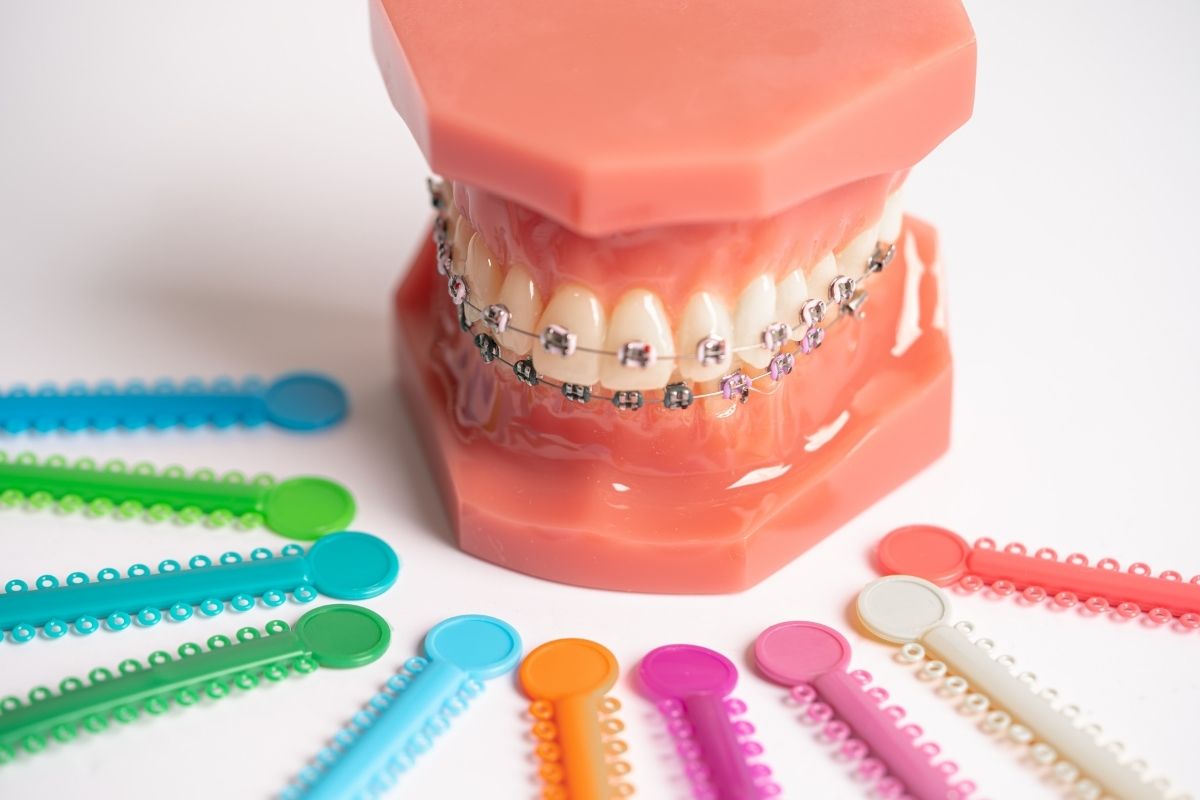
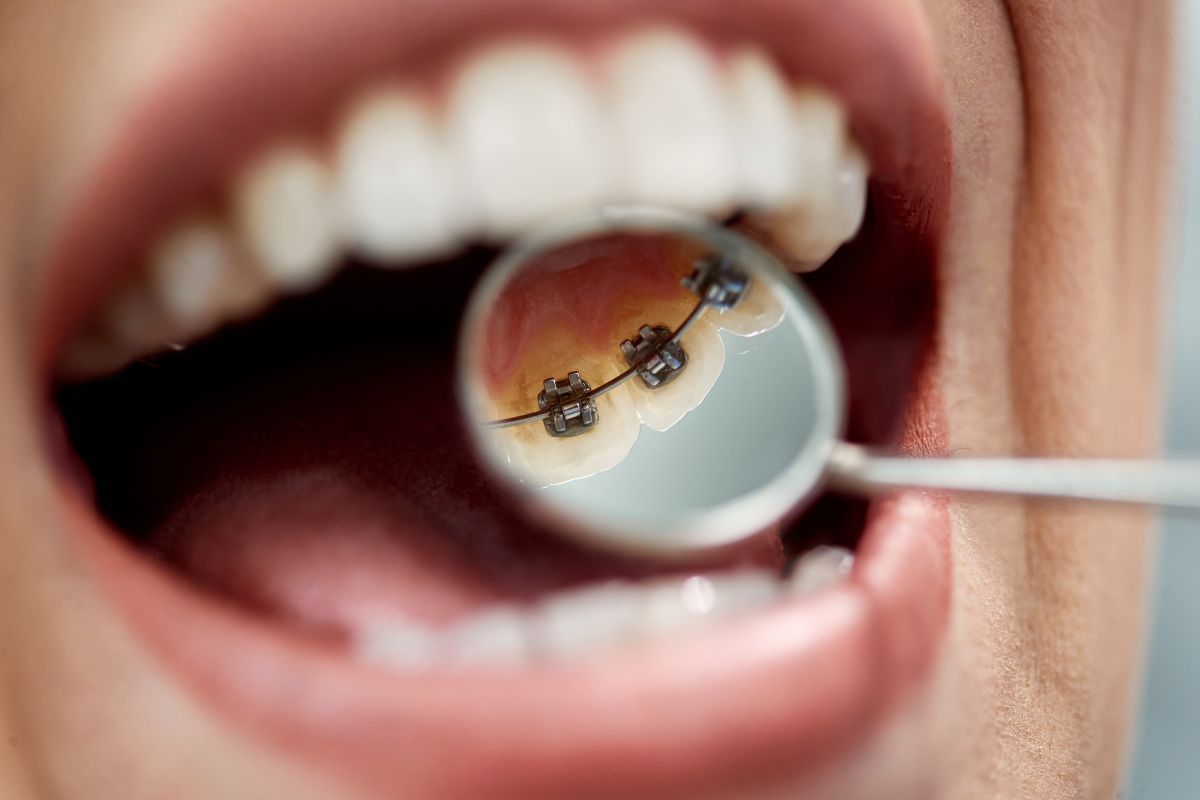
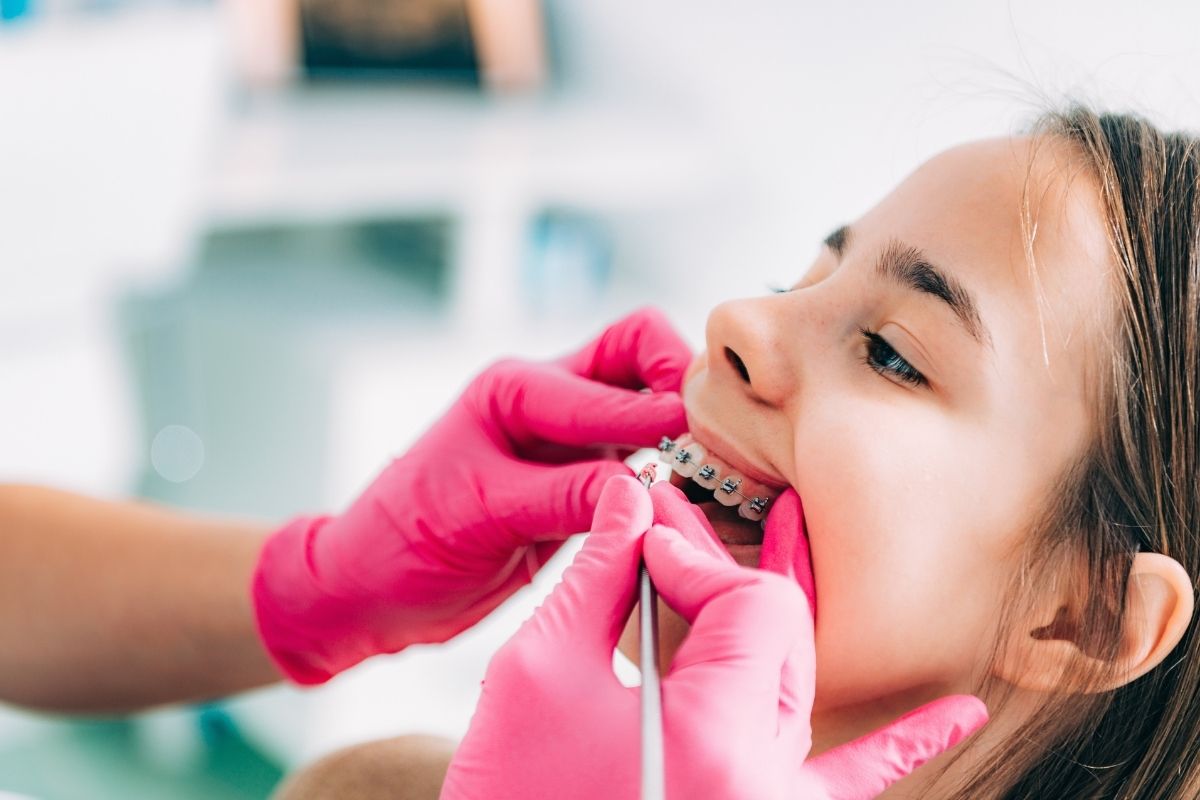
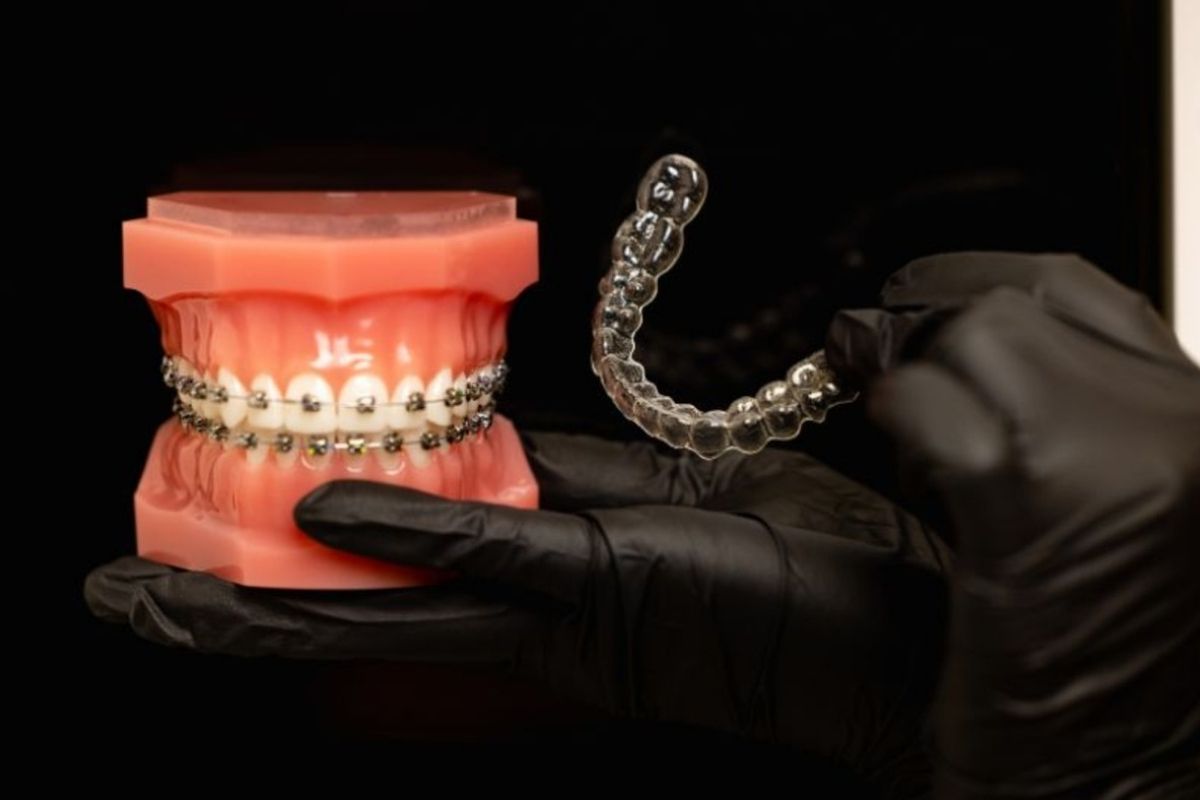
Modern braces are more comfortable and discreet than many people remember, while clear aligners offer flexibility for adults and teens who want a less noticeable option.
Gaps Between Teeth
Spaces between teeth can occur naturally or develop because of missing teeth, thumb-sucking habits, or jaw growth differences. While some people like the appearance of gaps, others may experience speech problems or food getting trapped between teeth.
Treatment Options
Depending on the size and cause of the spacing, treatment may include:
- Braces
- Clear aligners
- Retainers
- Cosmetic bonding in select cases
Closing gaps not only improves appearance but can also create a more balanced bite.
Overbite Problems
An overbite occurs when the upper front teeth overlap too far over the lower teeth. Mild overbites are common, but severe cases may lead to jaw discomfort, tooth wear, and speech challenges.
Common Treatments
Orthodontists may use:
- Braces with rubber bands
- Clear aligners
- Bite correction appliances
Early treatment for children can sometimes reduce the need for more complex procedures later in life.
Underbite Concerns
With an underbite, the lower teeth extend past the upper teeth. This can make chewing difficult and place extra strain on the jaw joints.
How Orthodontists Correct It
Treatment depends on the patient’s age and severity of the issue. Options may include:
- Braces
- Palatal expanders
- Aligners
- Jaw surgery for severe adult cases
Because Bakersfield families often lead active lifestyles, many parents choose to have their children evaluated early so potential bite problems can be addressed before they worsen.
Crossbite Issues
A crossbite happens when some upper teeth sit behind the lower teeth instead of in front. This can affect one tooth or several teeth and may contribute to uneven jaw growth.
Treatment Methods
Orthodontists commonly recommend:
- Braces
- Expanders
- Clear aligners
Treating crossbites early can help prevent long-term jaw complications and uneven tooth wear.
Open Bite Problems
An open bite means the upper and lower teeth do not touch properly when the mouth closes. Thumb sucking, tongue thrusting, or jaw development issues can contribute to this condition.
Available Treatments
Depending on the cause, treatment may involve:
- Braces
- Aligners
- Habit-correction appliances
- Jaw surgery in advanced cases
Correcting an open bite often improves speech clarity and chewing function.
Why Early Orthodontic Evaluations Matter
Many parents in Bakersfield wait until their child’s teen years before thinking about braces, but early evaluations can help identify issues before they become more serious. The American Association of Orthodontists recommends children have an orthodontic evaluation around age seven.
Early care may help:
- Guide jaw growth
- Create room for incoming teeth
- Reduce the risk of impacted teeth
- Minimize future treatment complexity
Even if treatment is not needed right away, regular monitoring can provide peace of mind.
Orthodontic Treatment for Adults
Orthodontic care is not just for kids and teens anymore. Adults throughout Bakersfield are choosing orthodontic treatment to improve both appearance and oral health. Many patients appreciate discreet options like ceramic braces and clear aligners that fit comfortably into professional and social settings.
Straight teeth can also make daily oral hygiene easier and reduce strain on the jaw over time.
Signs You May Need Orthodontic Care
If you notice any of these symptoms, it may be time to schedule a consultation:
- Difficulty chewing or biting
- Crowded or overlapping teeth
- Jaw pain or clicking
- Frequent biting of the cheeks
- Speech difficulties
- Teeth that appear uneven
- Gaps between teeth
A professional evaluation can determine the best treatment approach for your needs.
Start Your Smile Journey With Confidence
Orthodontic problems are common, but today’s treatment options make it easier than ever to achieve a healthier, more confident smile. Whether you are dealing with crowding, bite issues, or spacing concerns, early care and personalized treatment can make a lasting difference.
At Ricks Family Orthodontics, patients receive compassionate care designed around their individual needs and lifestyle. If you are ready to improve your smile, schedule your consultation today and take the first step toward lasting confidence.
Frequently Asked Questions
How long does orthodontic treatment usually take?
Treatment time varies depending on the complexity of the issue, but many patients complete treatment within one to three years.
Are clear aligners as effective as braces?
Clear aligners can effectively treat many orthodontic problems, especially mild to moderate cases. More complex concerns may still require braces.
Is orthodontic treatment painful?
Patients may feel mild soreness after adjustments or when starting a new aligner tray, but the discomfort is usually temporary.
Can adults still straighten their teeth?
Absolutely. Many adults choose orthodontic treatment later in life to improve their smile and oral health.
How often will I need orthodontic appointments?
Most patients visit their orthodontist every few weeks to monitor progress and make adjustments.
Request An Appointment
Are we the right fit for you or your family? Come in for a free consultation!
Request Appointment
Call Us