Northeast Office


What to Expect During Your Adult Braces Treatment in Bakersfield


Published On - October 22, 2025
You’ve been thinking about straightening your teeth for years. Maybe you’re tired of hiding your smile in photos, or perhaps your dentist mentioned that misaligned teeth are affecting your oral health. Whatever brought you here, you’re not alone. More adults than ever are choosing to get braces, and it’s never too late to improve your smile.
Getting adult braces bakersfield treatments might feel a bit scary if you don’t know what to expect. Will it hurt? How long will it take? Can you still eat your favorite foods? This guide walks you through every step of the process, so you know exactly what’s coming.
Why Adults Choose Braces
Adults get braces for different reasons than kids do. Some never had the chance when they were younger. Others had braces as teens but didn’t wear their retainer, and their teeth shifted back.
Beyond looks, straight teeth are easier to clean and less likely to develop cavities or gum disease. Proper alignment can also fix bite problems that cause jaw pain, headaches, or worn-down teeth. When your teeth fit together correctly, everything from chewing to speaking becomes easier.
The best part? Modern braces offer options that fit adult lifestyles. You’re not stuck with chunky metal brackets like you might remember from middle school.
Your First Visit: The Consultation
Your journey starts with a consultation. This appointment gives you a chance to meet the orthodontist, ask questions, and learn about your options.
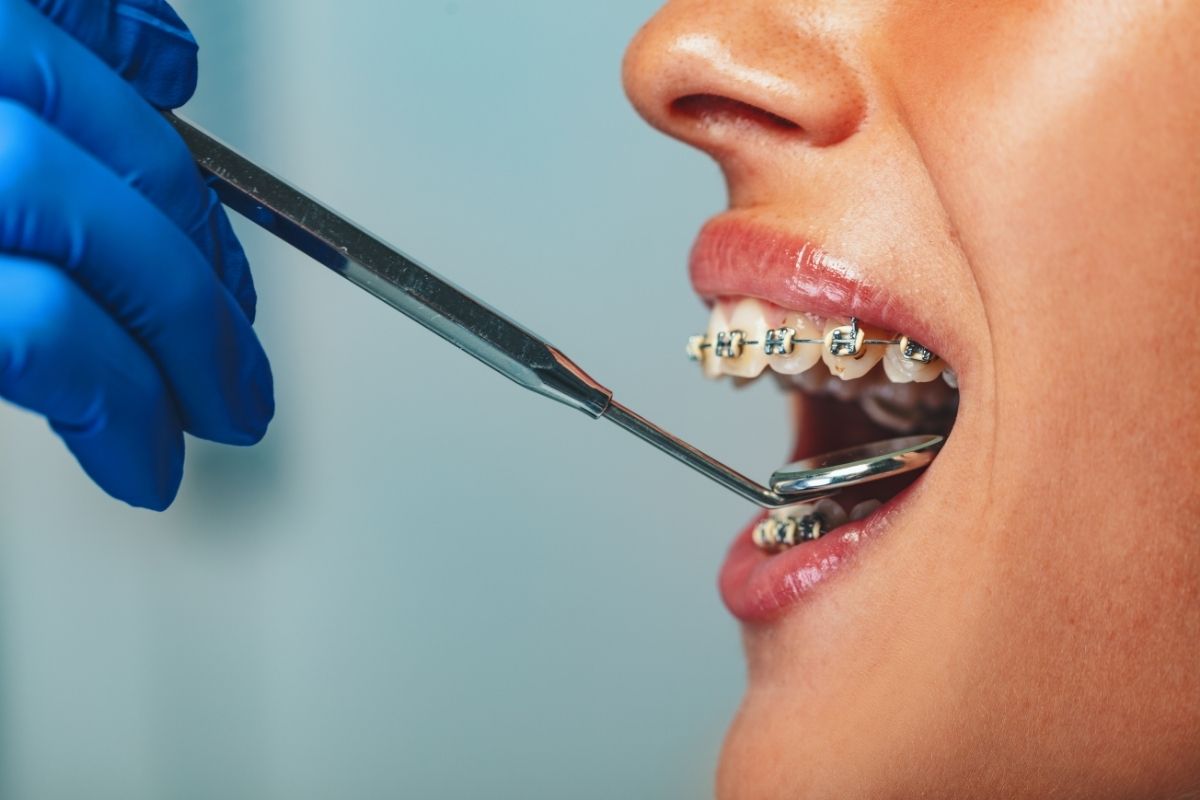
The orthodontist will examine your teeth, gums, and jaw. They’ll take X-rays and photos to see the full picture of what’s happening in your mouth. Some offices use 3D scans instead of traditional impressions, which is more comfortable.
You’ll discuss what bothers you about your smile and what you hope to achieve. Be honest about your concerns and lifestyle. If you give presentations at work or play a wind instrument, these details matter when choosing the right treatment.
The orthodontist will explain which type of braces works best for your situation. They’ll also give you an estimate of how long treatment will take and what it will cost. Most offices offer payment plans to make treatment affordable.
Types of Braces for Adults
Traditional Metal Braces
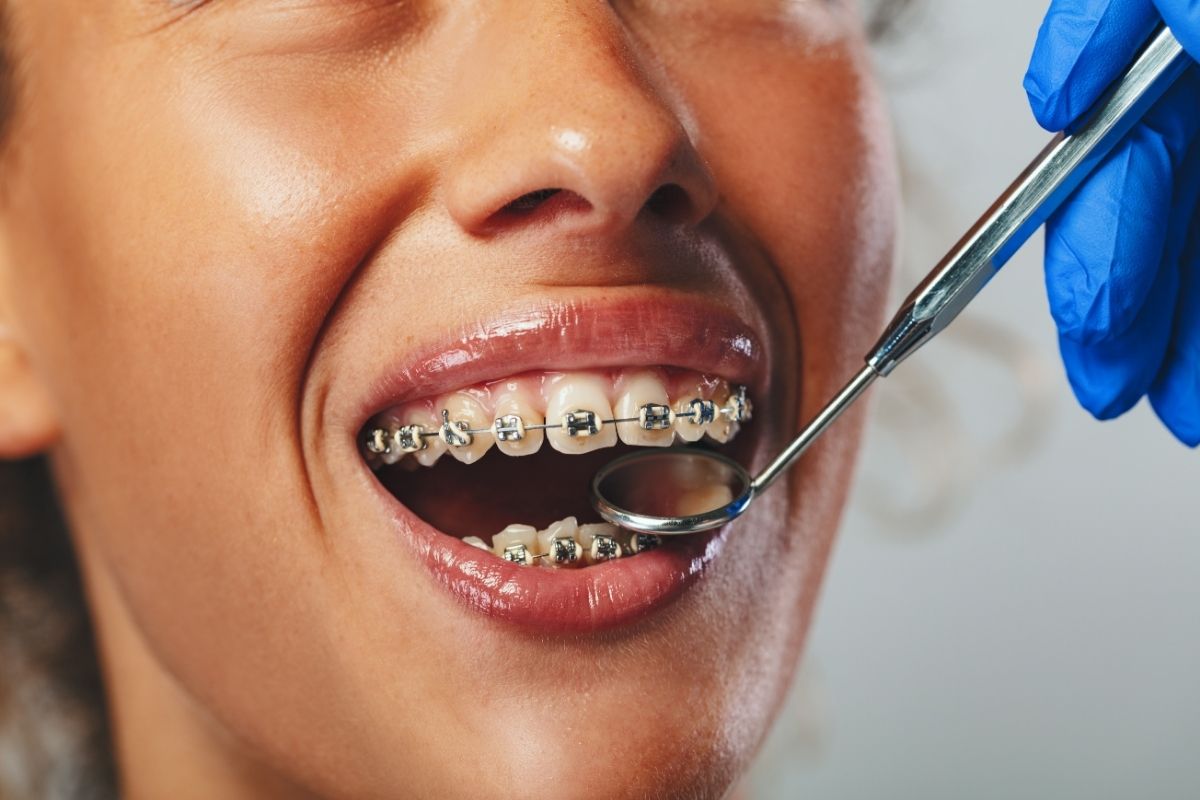
Metal braces have come a long way. Today’s versions are smaller, smoother, and more comfortable than older models. They work for almost any orthodontic problem and often deliver the fastest results.
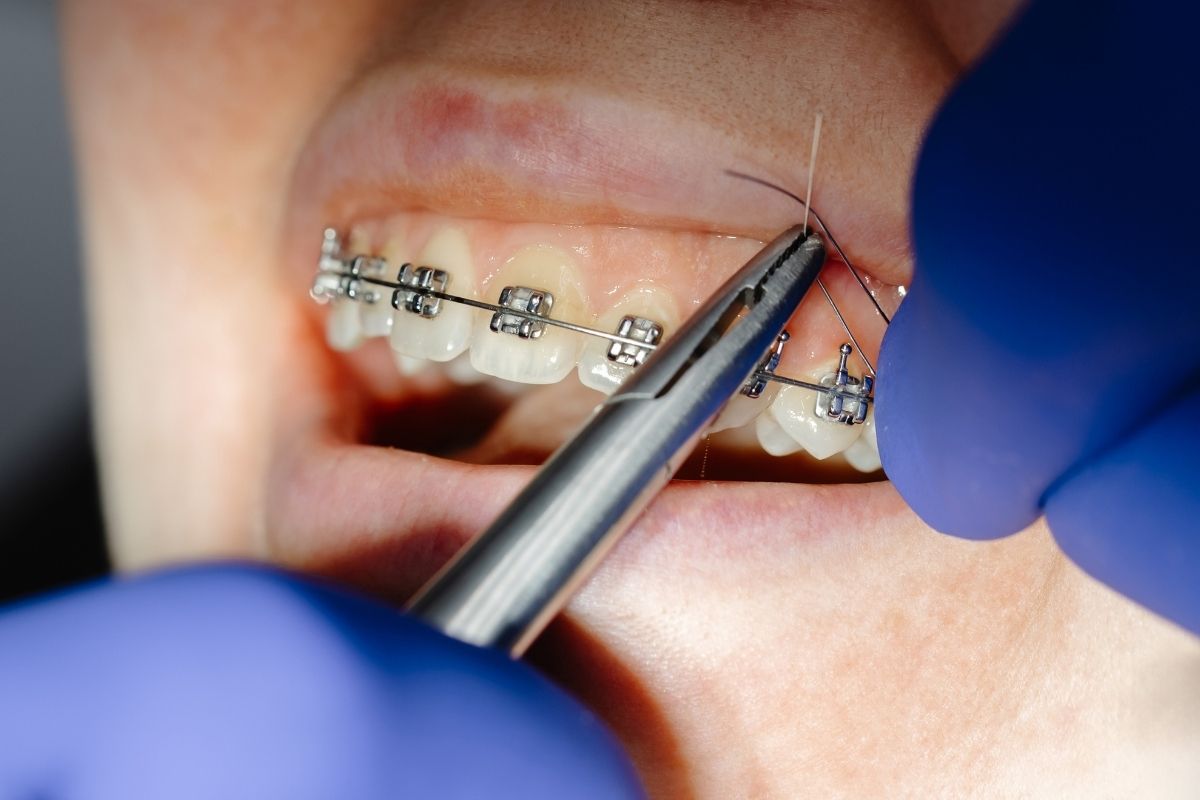
These braces use metal brackets glued to your teeth, connected by a wire that gets adjusted regularly. Rubber bands in various colors hold the wire in place. Many adults choose neutral colors or clear bands for a less noticeable look.
Ceramic Braces
Ceramic braces work the same way as metal ones, but the brackets are tooth-colored or clear. They blend in with your teeth much better. The wire can also be white or frosted to match.
Keep in mind that ceramic brackets are slightly larger than metal ones and can stain if you don’t keep them clean. They’re also a bit more fragile, so you need to be careful.
Lingual Braces
These braces attach to the back of your teeth instead of the front. Nobody can see them when you smile or talk. They’re perfect if you want completely hidden treatment.
The downside? They take longer to get used to and can affect your speech for a few weeks. They’re also harder to clean and usually cost more than other options.
Clear Aligners
Clear aligners are removable plastic trays that gradually shift your teeth. You switch to a new set every week or two. They’re nearly invisible and you can take them out to eat and brush.
Not everyone qualifies for aligners. They work best for mild to moderate alignment issues. You also need the discipline to wear them 22 hours a day, or they won’t work.
Getting Your Braces: What Happens
Once you decide on a treatment plan, you’ll schedule your placement appointment. For traditional or ceramic braces, this takes about one to two hours.
The process is painless, just a bit uncomfortable at times. First, your teeth get cleaned and dried. The orthodontist applies a special glue to each tooth and attaches the brackets. A blue light hardens the glue quickly.
Next, they thread the wire through the brackets and secure it with rubber bands. The wire creates gentle pressure that starts moving your teeth right away.
Your mouth will feel strange for a few days. Your lips and cheeks need time to adjust to having hardware in your mouth. Dental wax helps protect soft tissue from rubbing against brackets.
If you’re getting clear aligners, the process is much simpler. You’ll receive your first several sets of trays and instructions on how to wear them. You’ll switch trays at home on your own schedule.
The First Few Days
Here’s the truth: your teeth will be sore for about three to five days after getting braces. It’s not sharp pain, more like a dull ache. Your teeth are starting to move, and that takes some getting used to.
Stick to soft foods at first. Yogurt, mashed potatoes, smoothies, soup, and scrambled eggs are your friends. Avoid anything that requires hard chewing.
Over-the-counter pain relief helps if you need it. Cold foods or drinks can also numb discomfort. Some people find that chewing sugar-free gum (once your orthodontist says it’s okay) actually helps relieve soreness.
Your mouth might develop sore spots where brackets rub against your cheeks or lips. Use orthodontic wax to cover any sharp areas. Your mouth will toughen up after a couple of weeks.
Regular Adjustment Appointments
You’ll visit the orthodontist every four to eight weeks for adjustments. These appointments usually take 20 to 30 minutes.
The orthodontist checks your progress and tightens or changes your wire. They might add or remove rubber bands or make other tweaks to keep your treatment on track. Each adjustment brings you closer to your final result.
Your teeth will feel sore again after each adjustment, but usually not as bad as the first time. The soreness typically lasts just a day or two.
Missing appointments or spacing them too far apart extends your treatment time. Try to stick to your schedule as closely as possible.
Living with Braces
Foods to Avoid
Say goodbye to some foods during treatment. Hard, sticky, or chewy foods can break brackets or bend wires. This means no popcorn, hard candy, ice, nuts, or sticky caramel.
Cut corn off the cob instead of biting into it. Slice apples and carrots into small pieces. Skip the bagels or tear them into bite-sized chunks.
You can still enjoy most of your favorite meals with small changes. Pizza, burgers, and sandwiches are fine if you cut them up. Just be smart about what you put in your mouth.
Keeping Everything Clean
Brushing and flossing become more important and more challenging with braces. Food gets trapped around brackets easily, and poor cleaning leads to stains, cavities, or swollen gums.
Brush after every meal if possible, or at least rinse with water. Use a soft toothbrush and take your time getting around each bracket. Special orthodontic toothbrushes have V-shaped bristles that clean around braces better.
Flossing with braces requires a floss threader or special orthodontic floss. It’s tedious but necessary. Water flossers make the job easier and do a great job cleaning around brackets.
Social and Work Situations
Many adults worry about how braces will affect their professional or social life. The reality? Most people barely notice, and those who do are usually supportive.
Your speech might sound slightly different for the first week or two, especially with lingual braces. Practice reading out loud at home to adjust faster. The lisp goes away quickly.
If you’re self-conscious, remember that straight teeth and a healthy bite are worth temporary brackets. Plus, more adults have braces today than ever before. You might be surprised how many colleagues or friends have been through the same thing.
How Long Will Treatment Take?
Most adult braces bakersfield treatments last between 18 and 36 months. Your specific timeline depends on several factors.
Complex cases with severe crowding or bite issues take longer. If you’re only fixing minor spacing, you might finish in 12 to 18 months. The type of braces also matters. Traditional metal braces often work faster than other options.
Your cooperation plays a huge role. Wearing rubber bands as directed, keeping appointments, and following food restrictions keeps treatment on schedule. Broken brackets or missed appointments add extra time.
Age affects treatment slightly. Adult bones are denser than children’s bones, so teeth move a bit slower. But this doesn’t mean you can’t get excellent results at any age.
What About Retainers?
Getting your braces off is exciting, but your journey isn’t quite over. You’ll need to wear a retainer to keep your teeth in their new positions.
Right after braces come off, you’ll wear your retainer full time except when eating or brushing. This usually lasts for several months. Then you’ll switch to wearing it only at night.
Many orthodontists recommend wearing a retainer at night indefinitely. Teeth naturally want to shift throughout your life. A retainer prevents that and protects your investment.
Some people get a permanent retainer, which is a thin wire bonded to the back of their front teeth. It stays in place and does its job without you thinking about it.
Frequently Asked Questions
Are braces painful for adults?
You’ll feel pressure and soreness, especially after getting braces and following adjustments. But it’s manageable discomfort, not severe pain. Most people handle it fine with over-the-counter pain relief.
Can I still play sports or musical instruments?
Yes, though there’s an adjustment period. Wear a mouthguard for contact sports. Musicians might need a few weeks to get comfortable playing wind instruments again.
Will my insurance cover adult braces?
Some dental insurance plans include orthodontic coverage for adults, but many don’t. Check your specific plan. Many orthodontists offer payment plans if you’re paying out of pocket.
Can I get braces if I have dental work like crowns or implants?
Usually yes, but it requires special planning. Your orthodontist will work around existing dental work. Let them know about any crowns, bridges, implants, or other work during your consultation.
How much do adult braces cost in Bakersfield?
Costs vary based on the type of braces and length of treatment. Traditional metal braces typically cost less than clear aligners or lingual braces. Most offices provide a detailed estimate during your consultation.
What happens if I break a bracket?
Call your orthodontist right away. They’ll let you know if you need to come in immediately or if it can wait until your next appointment. Keep the broken piece if possible.
Can I whiten my teeth while wearing braces?
Wait until after your braces come off to whiten. If you whiten with brackets on, you’ll have darker squares where the brackets were. Most people get whitening treatments after completing orthodontic care.
Making the Decision
Getting adult braces bakersfield treatments is a personal choice that requires commitment. The process takes time, patience, and care. But thousands of adults go through it every year and come out thrilled with their results.
Think about how much a straight, healthy smile means to you. Consider the long-term benefits for your oral health and confidence. The months of treatment pass quickly, but you’ll enjoy your new smile for the rest of your life.
Modern orthodontics offers more choices than ever. Whether you want the reliability of traditional braces or prefer something less visible, there’s an option that fits your needs and lifestyle.
Start Your Smile Journey Today
Ready to learn more about your options for adult braces bakersfield treatments? Ricks Family Orthodontics is here to answer your questions and create a personalized treatment plan just for you.
Our team understands the unique needs of adult patients. We’ll work with your schedule, address your concerns, and help you achieve the smile you’ve always wanted.
Don’t wait another year wondering what could be. Contact Ricks Family Orthodontics today to schedule your consultation. Your journey to a confident, healthy smile starts with one simple step. Let’s take it together.
Request An Appointment
Are we the right fit for you or your family? Come in for a free consultation!
Request Appointment
Call Us