Northeast Office
Invisalign vs. Traditional Braces: Which Option is Right for You in Bakersfield?

Published On - October 16, 2025
When it comes to achieving a perfect smile, both Invisalign and traditional braces have long been trusted methods to straighten teeth and correct bite issues. If you’re considering orthodontic treatment in Bakersfield, it’s important to understand the differences between these two options so that you can make an informed decision about which one is right for you. In this guide, we’ll compare Invisalign and traditional braces, focusing on the benefits, drawbacks, and factors to consider before making your choice.
What Are Invisalign and Traditional Braces?
Traditional Braces:
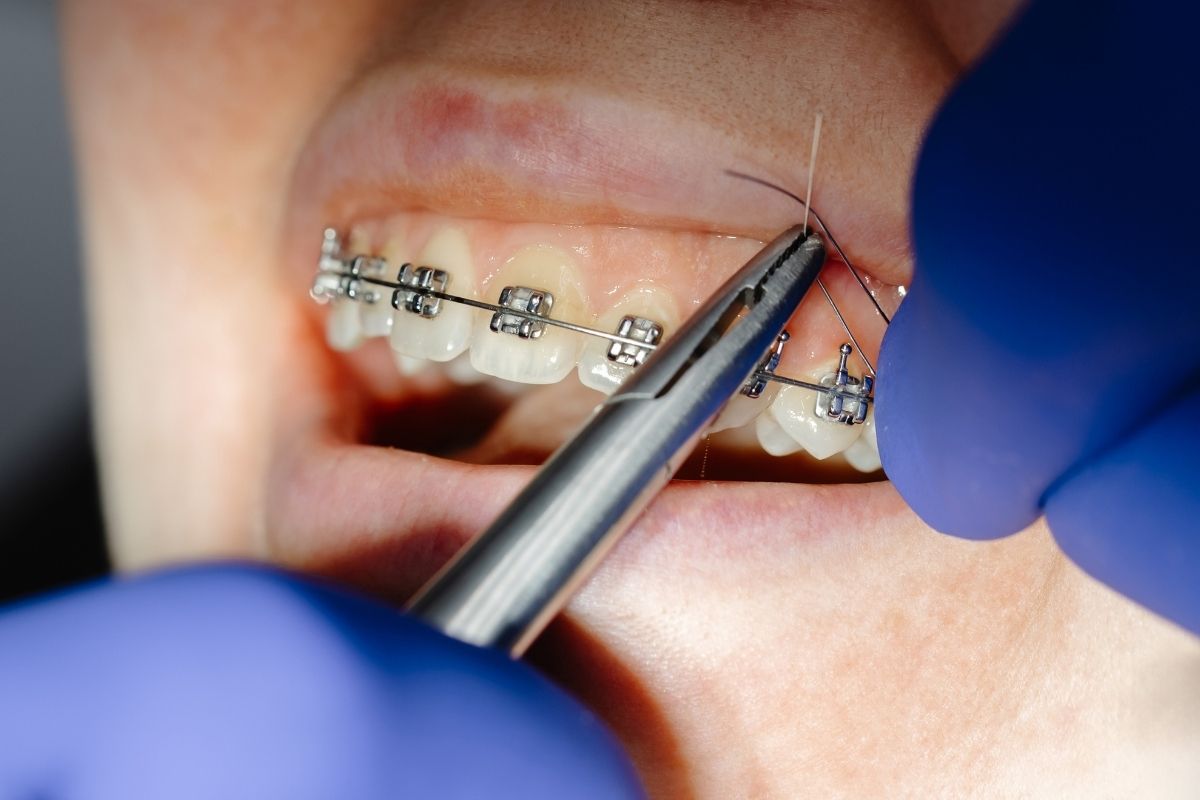
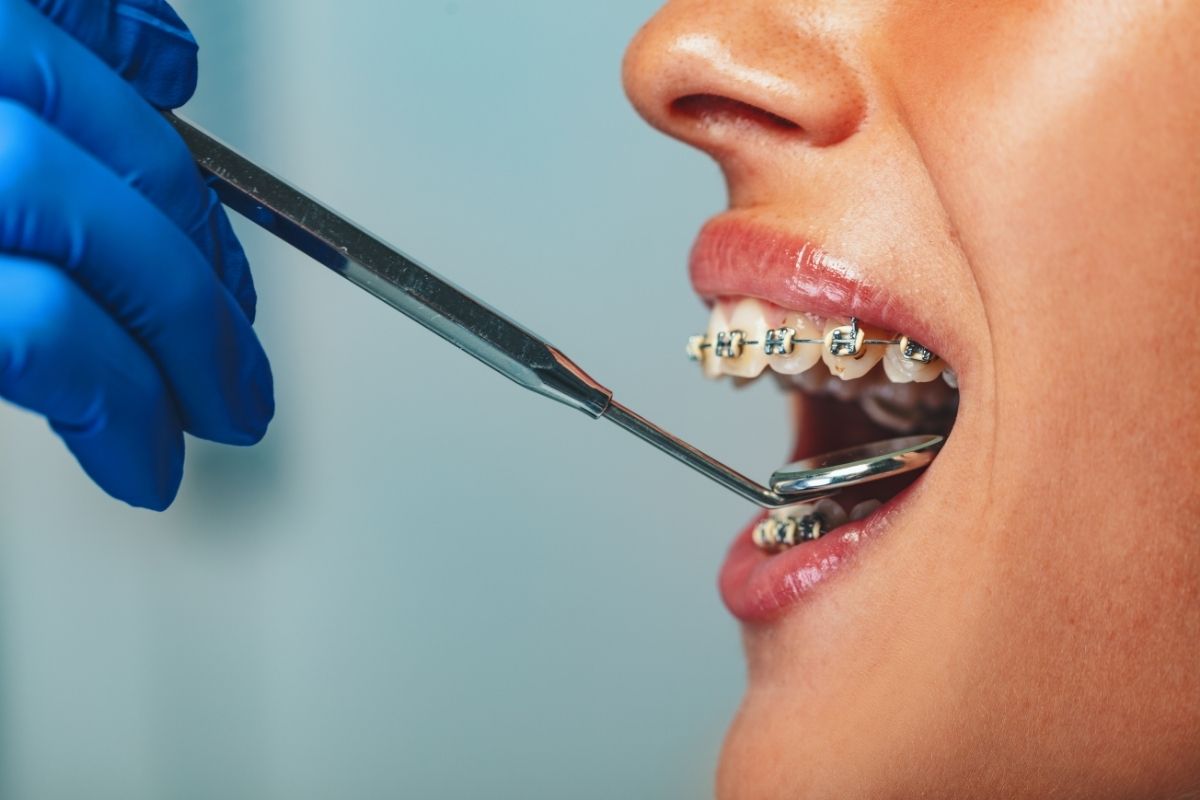
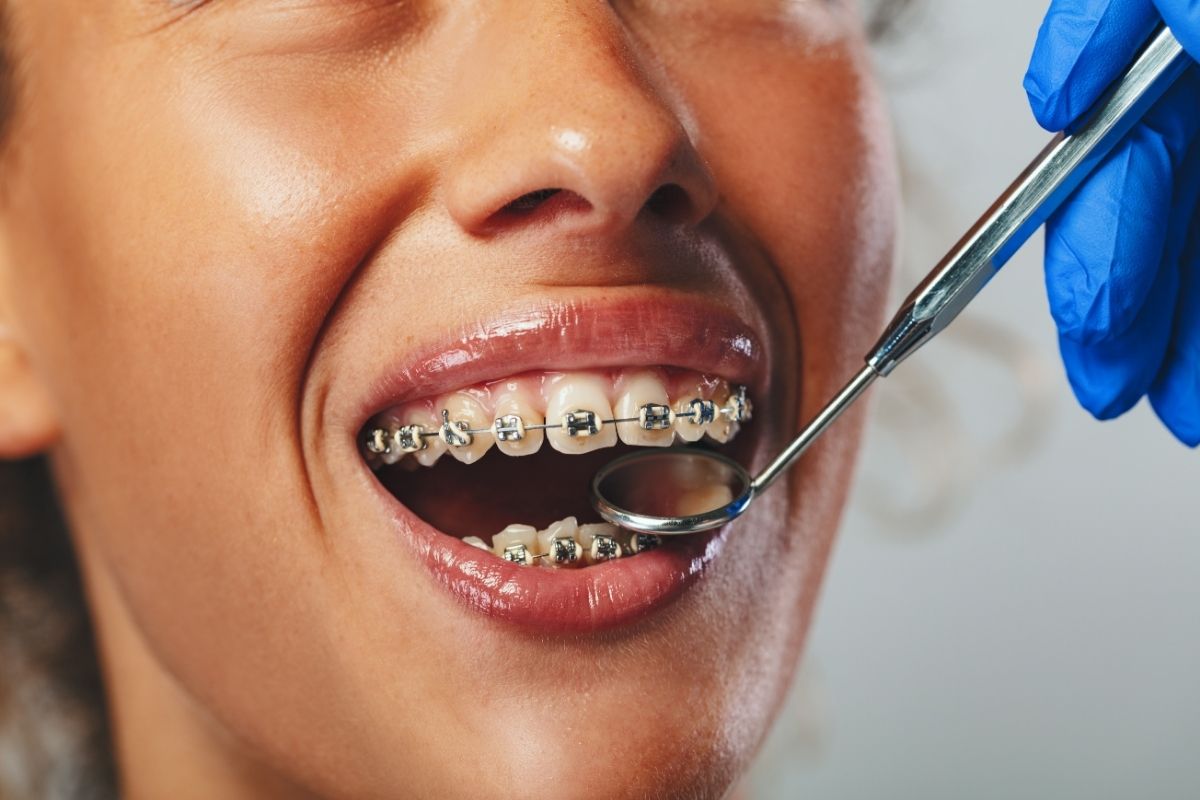
Traditional braces consist of metal brackets and wires that are bonded to the teeth. These braces work by gradually shifting the teeth into their proper positions over time. Regular adjustments are needed to ensure the braces continue to guide the teeth effectively. Traditional braces are a time-tested solution for a variety of dental issues, from crooked teeth to severe bite problems.
Invisalign:
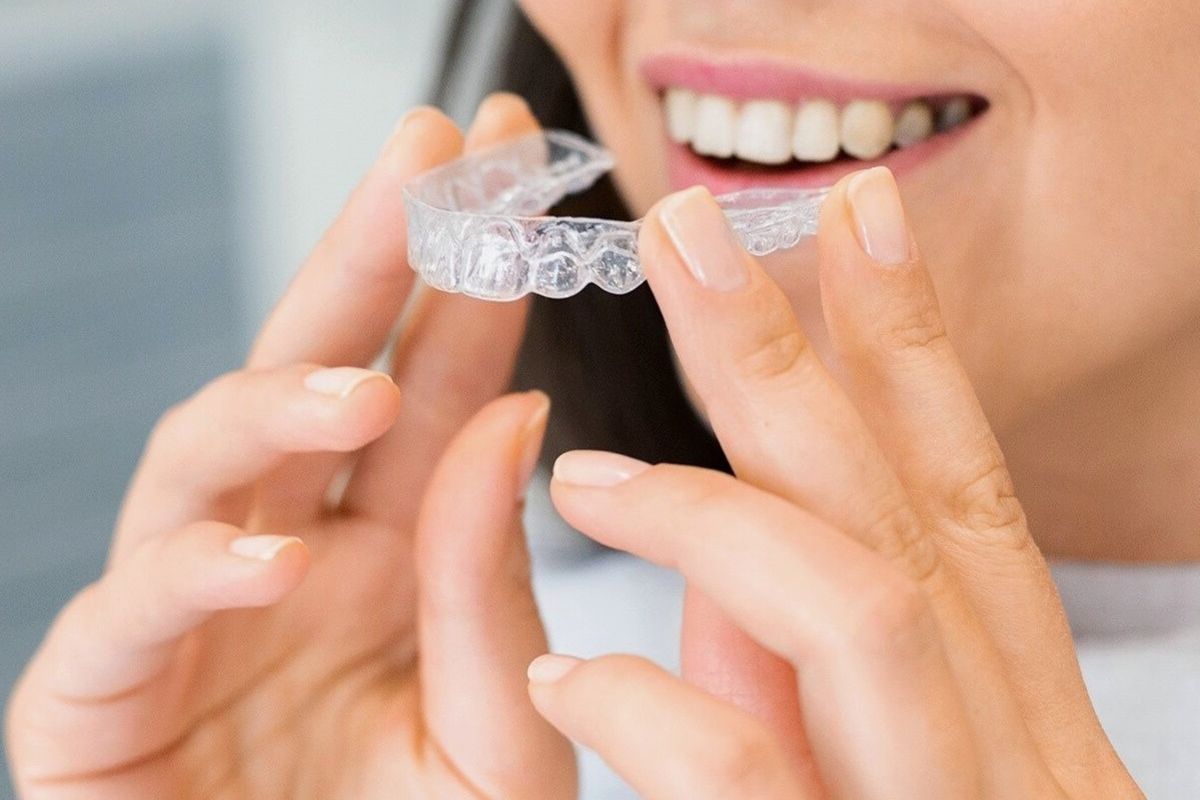
Invisalign, on the other hand, is a modern alternative to traditional braces. This treatment uses a series of clear, removable aligners to gradually straighten your teeth. Invisalign aligners are custom-made based on digital scans or molds of your teeth, ensuring a precise fit. They work by applying gentle pressure to move the teeth into their desired positions. Unlike traditional braces, Invisalign aligners can be removed for eating, brushing, and flossing.
How Do They Work?
Traditional Braces:
Traditional braces are made up of metal brackets that are glued to your teeth. These brackets are connected by a wire that is periodically tightened by your orthodontist to gradually shift the teeth into their correct positions. Additional accessories, such as rubber bands or springs, may be used depending on your specific treatment needs.
Invisalign:
Invisalign treatment involves wearing a series of custom-made, clear aligners. Each aligner is worn for about two weeks before being replaced by the next one in the series. Each aligner moves the teeth slightly closer to their final position. Unlike traditional braces, Invisalign aligners are removable, allowing for easier maintenance of oral hygiene. The aligners are nearly invisible, offering a more discreet treatment option compared to metal braces.
Pros and Cons of Traditional Braces
Pros:
- Versatility: Traditional braces can treat a wide variety of orthodontic issues, including severe misalignment and bite problems.
- Effective for Complex Cases: For more complex dental issues, traditional braces might be the most effective solution.
- No Compliance Issues: Since traditional braces are fixed, you don’t have to worry about forgetting to wear your aligners, which is a common concern with Invisalign.
Cons:
- Aesthetics: Traditional braces are visible and can make some people feel self-conscious, especially adults or teens in social situations.
- Discomfort: Traditional braces can cause discomfort, especially after adjustments, as the wire tightens.
- Diet Restrictions: There are several food restrictions with traditional braces, including sticky foods, hard candies, and anything that could damage the brackets or wires.
Pros and Cons of Invisalign
Pros:
- Aesthetics: The biggest advantage of Invisalign is its clear, discreet appearance. The aligners are virtually invisible, so you can straighten your teeth without the noticeable metal brackets.
- Comfort: Invisalign aligners are made from smooth plastic, which can be more comfortable than the metal wires and brackets of traditional braces. They are custom-made to fit your teeth, reducing irritation.
- Removable: Invisalign aligners can be removed for eating, drinking, brushing, and flossing, making it easier to maintain oral hygiene throughout your treatment. You can also remove them for special occasions.
- Fewer Orthodontic Visits: Invisalign typically requires fewer visits to the orthodontist for adjustments, making it more convenient for those with busy schedules.
Cons:
- Compliance: Invisalign requires that you wear the aligners for 20 to 22 hours a day for optimal results. If you forget to wear them or don’t follow the instructions, your treatment could be delayed.
- Limitations for Complex Cases: Invisalign may not be the best choice for more severe orthodontic issues. In such cases, traditional braces may be more effective in achieving the desired results.
- Cost: Invisalign treatment can sometimes be more expensive than traditional braces, depending on the complexity of your treatment.
Which Option is Right for You?
Choosing between Invisalign and traditional braces depends on several factors, including your dental needs, lifestyle, and budget. Let’s break down some of the key considerations to help you make the best decision:
1. Aesthetic Preferences:
If you’re concerned about the appearance of metal braces, Invisalign is the clear winner. Its discreet, clear aligners allow you to straighten your teeth without drawing attention to your treatment. Invisalign is often preferred by adults and teens who want to avoid the noticeable appearance of traditional braces.
2. Complexity of Treatment:
If you have mild to moderate misalignment or bite issues, Invisalign can be a great option. However, for more severe orthodontic issues, traditional braces might be necessary to achieve the desired results. Your orthodontist will assess your case and recommend the best treatment based on your unique needs.
3. Lifestyle and Convenience:
Invisalign aligners are removable, giving you the flexibility to eat whatever you like without worrying about food restrictions. You can also remove them for special occasions or when brushing and flossing your teeth. Traditional braces, however, are fixed in place, which means you must adjust your eating habits and spend more time cleaning your teeth to ensure proper hygiene.
Read Now: Invisalign for Adults: Benefits and Options Available in Bakersfield
4. Budget:
While both Invisalign and traditional braces can be affordable options depending on your treatment plan, Invisalign tends to be more expensive due to the custom aligners and advanced technology used. If cost is a significant factor in your decision-making process, traditional braces may be the more budget-friendly option.
How to Get Started with Invisalign or Traditional Braces in Bakersfield?
The first step in deciding which orthodontic treatment is right for you is to consult with a trusted orthodontist in Bakersfield. An orthodontist will evaluate your dental health and recommend the most appropriate treatment for your specific needs. Whether you opt for Invisalign or traditional braces, the goal is to achieve a healthy, beautiful smile that you can be proud of.
Final Thought
Both Invisalign and traditional braces offer unique advantages and can help you achieve a straighter, healthier smile. The choice ultimately depends on your personal preferences, dental needs, and lifestyle. If you’re looking for a more discreet and comfortable option, Invisalign might be the right choice for you. However, if you have complex dental issues or are on a tight budget, traditional braces may be the more practical option.
At the end of the day, the best way to decide is by consulting with an experienced orthodontist who can provide personalized guidance. The American Dental Association offers great resources to help you understand your options further.
Schedule an Appointment with a Bakersfield orthodontist today to start your journey toward a beautiful smile!
Request An Appointment
Are we the right fit for you or your family? Come in for a free consultation!
Request Appointment
Call Us