Northeast Office

Invisalign vs. Braces: Which Actually Works Better for Adults

Published On - November 10, 2026
If you are an adult considering orthodontic treatment in Bakersfield, you have likely asked yourself one big question. Should you choose Invisalign or traditional braces? The answer depends on your lifestyle, dental needs, and personal priorities. This guide breaks down the key differences so you can make a confident, informed decision.
When weighing Invisalign vs. braces for adults in Bakersfield, there is no single right answer for everyone. Both options can deliver excellent results when managed by an experienced orthodontist. Dr. Ken Ricks at Ricks Family Orthodontics helps adults navigate this exact decision every day.
Invisalign vs. Braces: Comfort and Daily Life for Bakersfield Adults
Comfort is often the first concern adults mention. Traditional braces use metal brackets and wires. These can cause irritation to the cheeks and gums, especially in the first few weeks.
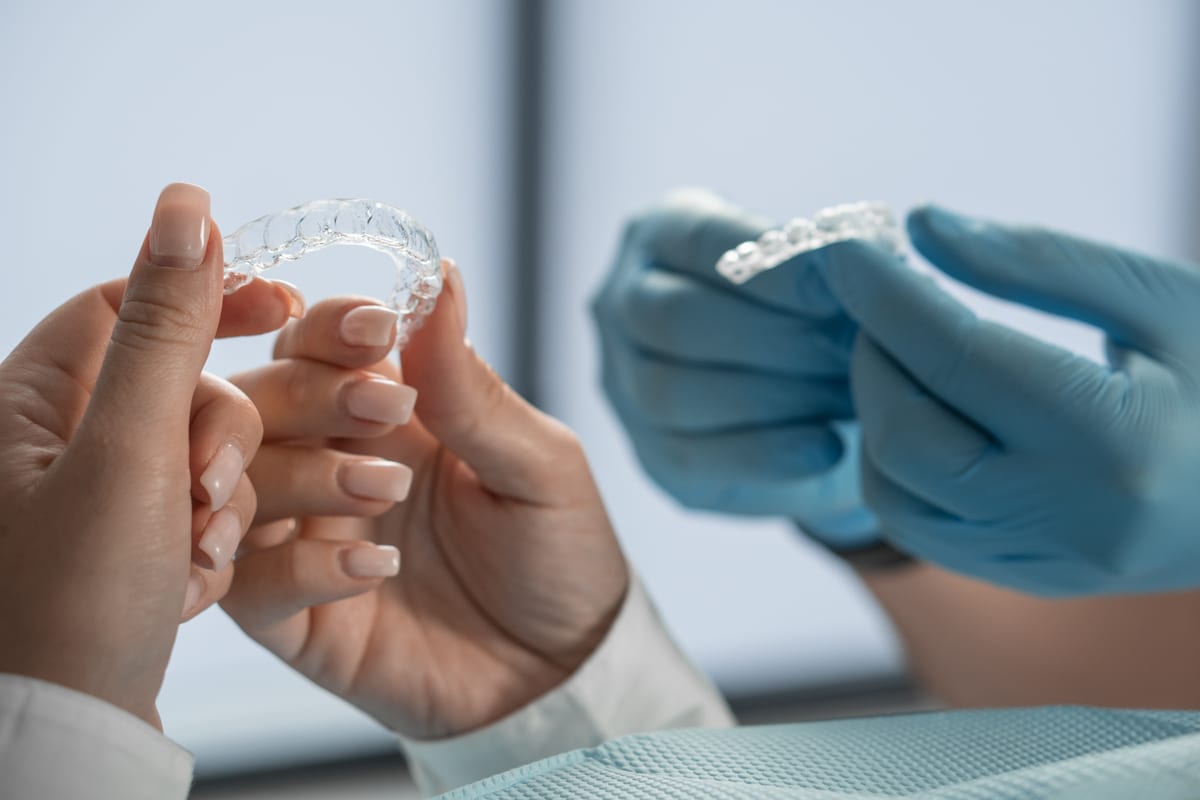
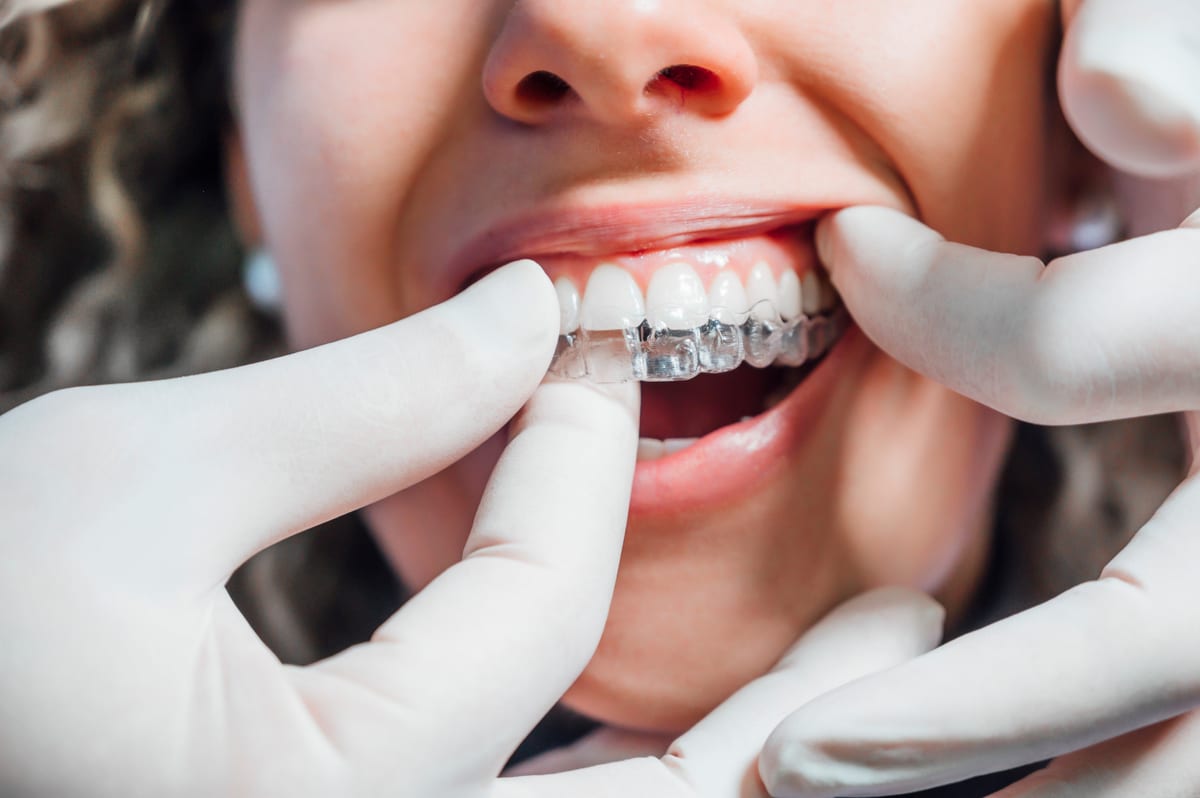
Invisalign uses smooth, custom-fit plastic aligners. Most adults find them far more comfortable to wear daily. There are no sharp edges or wires to adjust around.
Eating is another major lifestyle factor. With braces, you must avoid hard, sticky, or crunchy foods. With Invisalign, you simply remove the aligners before meals. You can eat whatever you like without restriction.
Oral hygiene is also simpler with Invisalign. You remove the aligners to brush and floss normally. Braces require special tools and extra time to clean around brackets and wires effectively.
Visibility and Aesthetics: A Key Factor for Adult Patients
Many adults feel self-conscious about wearing braces at work or in social settings. This is one of the most common reasons adults choose Invisalign Bakersfield over traditional metal braces. The clear aligners are nearly invisible when worn.
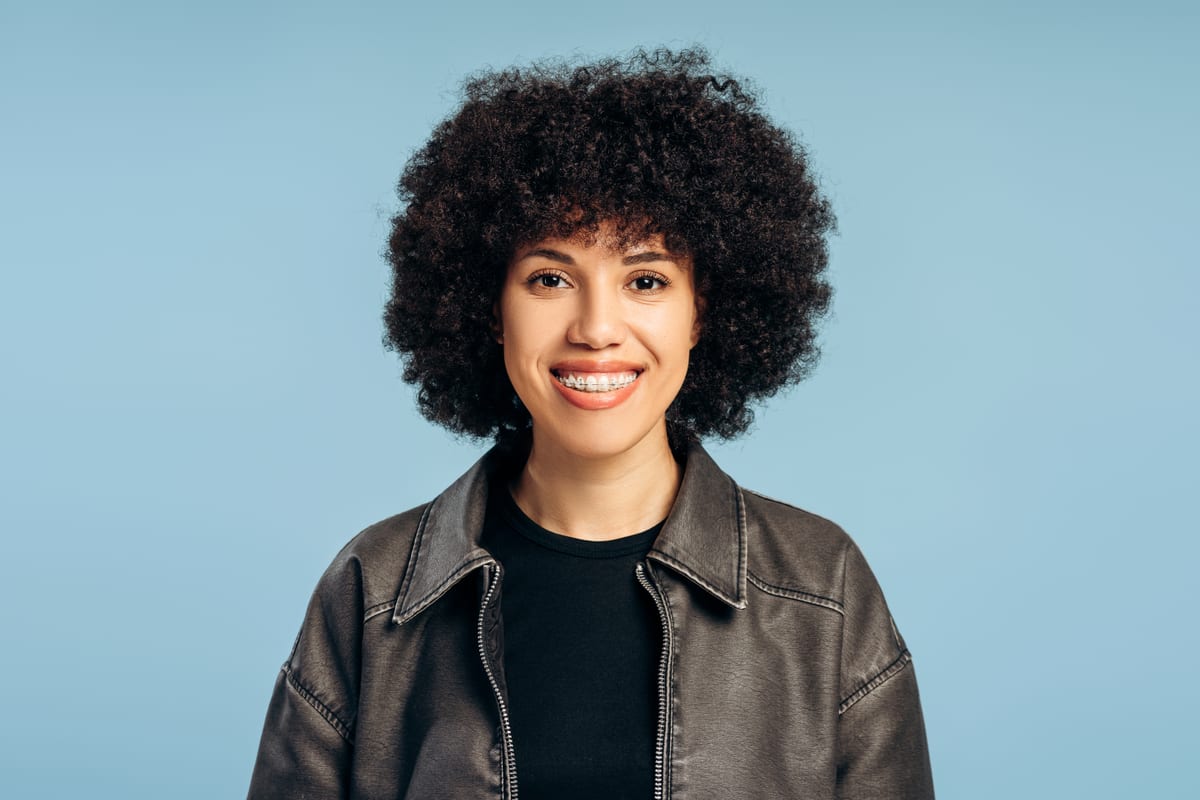
That said, modern braces have come a long way. Ceramic braces blend with tooth color and are far less noticeable than classic metal brackets. Lingual braces are placed behind the teeth and are completely hidden from view.
If aesthetics are your top priority, Invisalign wins for most adults. If you want a fixed option that does not require daily removal, ceramic or lingual braces may suit you better. Both approaches let you maintain a professional appearance throughout treatment.
Treatment Scope: What Can Each Option Actually Fix?
This is where the comparison gets more nuanced. Invisalign has improved dramatically over the past decade. It now treats a wide range of bite and alignment issues effectively.
Invisalign works well for:
- Mild to moderate crowding
- Spacing and gaps between teeth
- Mild overbites and underbites
- Crossbites in many adult cases
Traditional braces still hold an advantage for more complex cases. If you have severe crowding, significant bite issues, or rotated teeth, braces often deliver more precise control. Your orthodontist will assess your specific needs before recommending a treatment path.
Explore your Types Of Braces Bakersfield options to understand which style fits your situation. Dr. Ricks will review your X-rays and bite analysis to recommend the most effective approach for your unique case.
Compliance, Cost, and Treatment Timeline
Invisalign requires strong personal discipline. You must wear your aligners for 20 to 22 hours every day. Removing them too often slows your progress and extends your treatment timeline significantly.
Braces, on the other hand, are fixed in place. You do not have to remember to put them in or worry about losing them. For patients who prefer a hands-off approach, braces remove the compliance variable entirely.
Here is a quick comparison of key practical factors:
- Treatment duration: Both typically range from 12 to 24 months for adults
- Office visits: Braces require more frequent adjustments; Invisalign check-ins are often less frequent
- Cost: Both options are similarly priced in most adult cases; complexity affects the final figure
- Retainers: Both treatments require retainer use after completion to maintain results
Cost varies depending on the complexity of your case and the length of treatment. During your consultation, Dr. Ricks will provide a clear breakdown of fees. Ricks Family Orthodontics offers flexible payment plans to help make treatment accessible for Bakersfield adults.
Which Option Is Right for You? Making the Decision
There is no universal winner in the Invisalign vs. braces debate for adults. The best choice depends on your specific dental situation, lifestyle, and goals. An experienced orthodontist is your best resource for making that call.
Ask yourself these questions before your consultation:
- Do I want a removable or fixed appliance?
- How important is aesthetics during treatment?
- Am I confident I will wear aligners consistently every day?
- Do I have a complex bite issue that may need more precise correction?
Dr. Ken Ricks has helped hundreds of Bakersfield adults achieve straighter, healthier smiles. Whether you choose Invisalign or braces, the outcome you want is absolutely achievable with the right plan. A personalized consultation is the smartest first step you can take.
If you are ready to get started on your smile journey in Bakersfield, do not wait. Book Now to schedule your appointment with our team.
Frequently Asked Questions
Is Invisalign as effective as braces for adults?
Invisalign is highly effective for mild to moderate alignment and bite issues in adults. For more complex orthodontic cases, traditional braces may offer more precise control. Dr. Ricks will evaluate your specific needs and recommend the most effective option during your consultation.
How long does Invisalign treatment take for adults in Bakersfield?
Most adult Invisalign treatments in Bakersfield take between 12 and 18 months. Complex cases may take longer. Treatment length depends on how consistently you wear your aligners and the severity of your alignment issues.
Can adults get braces at any age?
Yes, adults of any age can successfully complete orthodontic treatment with braces. There is no upper age limit for achieving a straighter smile. Healthy teeth and gums are the main requirements for starting treatment.
Do Invisalign aligners hurt?
Most patients experience mild pressure or discomfort when switching to a new set of aligners. This is normal and usually fades within a day or two. Invisalign aligners are generally considered more comfortable than traditional braces because there are no wires or brackets involved.
What happens after braces or Invisalign treatment ends?
After completing either treatment, you will need to wear a retainer to keep your teeth in their new position. Retainers are typically worn nightly long-term. Skipping retainer use can cause teeth to gradually shift back toward their original positions.

Request An Appointment
Are we the right fit for you or your family? Come in for a free consultation!
Request Appointment
Call Us